
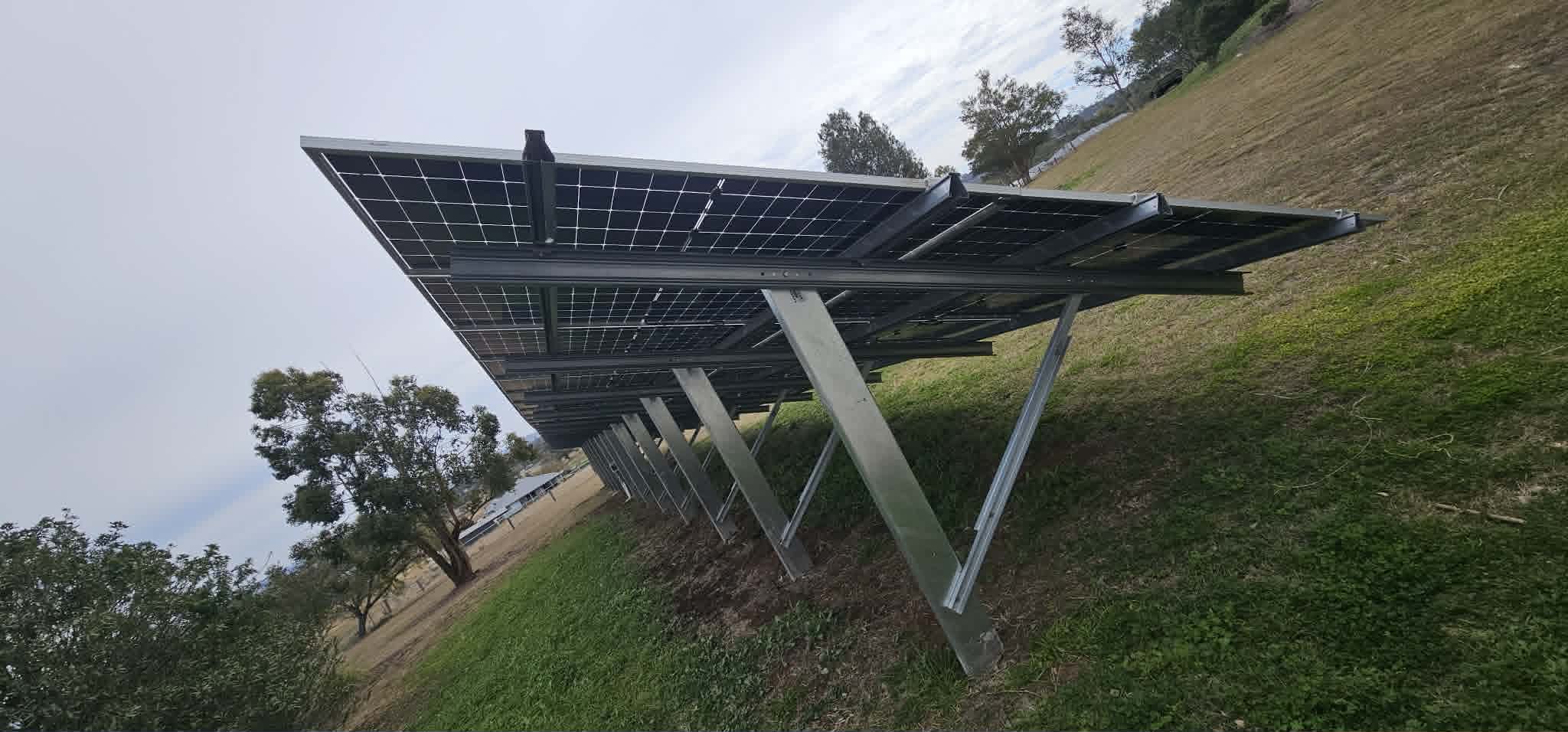
Disconnect from the Network. Keep Everything Running.
We take connected properties off the network and take the power bill down to close to nothing, staged so your operation never stops running through the changeover.
You Are Probably Paying More for the Wires Than for the Power.
On most fringe-of-grid properties the electricity itself is the smaller half of the bill. The rest is supply charge and network tariff: the cost of maintaining poles, wires and substations, shared out across the connections on that part of the network.
Ergon Energy operates around 65,000 kilometres of Single Wire Earth Return line, one of the largest SWER networks in the world. It supplies roughly 4% of their customers while making up about 40% of their distribution network, and most of it dates from the 1970s and 80s. That is an enormous amount of ageing infrastructure supporting a very small number of connections.
Ergon's own answer to this is to trial network-supported stand-alone power systems for remote and fringe-of-grid customers instead of rebuilding the line. Their reasoning is worth reading: once power is generated locally, redundant powerlines can be removed, which eliminates the need to access customers' properties for line patrols and asset inspections.
In other words, the network operator agrees with the premise. The question for you is simply whether it's cheaper to keep paying for a connection you barely need, or to own the generation outright. We do that maths at the assessment, using your last twelve months of bills.
At a Glance
Six Reasons Properties Call Us About Converting.
Fixed charges are outgrowing consumption.
If the supply and network portion of your bill has climbed while your usage has been flat, generating on site removes a cost that efficiency measures cannot touch.
You've been quoted for a line upgrade or replacement.
A quote to rebuild or extend line to your property is often the moment a conversion becomes the cheaper option outright. Bring us the quote.
Storm outages cost you money.
Spoiled stock, a stopped dairy, halted production, dry troughs. Put a dollar figure on your last three outages and the autonomy case makes itself.
Your load is predictable and daytime-heavy.
Irrigation, refrigeration, processing and workshop machinery running through daylight hours is the best possible match for solar generation. These sites convert most easily.
You're expanding and the connection can't carry it.
Upgrading a rural supply for new sheds, pumps or a processing line is frequently more expensive than generating the additional capacity yourself.
You want the emissions figure to say something.
For commercial operations with reporting obligations or supply-chain requirements, on-site generation is the most straightforward change available.
How a Conversion Runs
We don't quote from an aerial photo, and we don't disconnect your supply until the new system is proven under load.
Bill Analysis & Load Logging
We take twelve months of bills apart into consumption, supply charge and network tariff, then log actual loads on site, including start-up surge on your largest motors. This produces the real number your system has to meet.
Feasibility & Options
You get modelled options: full disconnection, or a hybrid that keeps the connection as a backstop and cuts consumption. Both are costed, with the payback period on each. Sometimes hybrid wins, and we'll tell you when it does.
Design & Fixed Written Quote
Array, battery, inverter, mounting, cabling, protection, generator integration if warranted. Itemised and fixed before anything is ordered.
Staged Installation
Generation and storage are built and commissioned while you're still connected. The changeover happens only once the standalone system has been proven under your real load. On a dairy or a cool room that sequencing is the whole point.
Disconnection & Certification
Once the system is running your operation, we coordinate the disconnection and complete the compliance documentation. You get the certificates at handover.
Conversion Doesn't Suit Every Property.
A site with a huge, unpredictable, night-heavy load and no room for a battery bank is a bad candidate, and no amount of enthusiasm changes that. Neither is a property sitting on a short, new, reliable feeder with a modest bill: there simply isn't enough fixed cost there to recover.
The properties that convert well have a daytime-weighted load, space for an array, a meaningful supply and network charge, and an owner who can tolerate a defined number of days of autonomy rather than expecting infinite power for free.
We work this out at the assessment before you've spent anything. If the numbers don't support it, we'll show you why and suggest what would actually reduce your bill instead.
Conversions Are Different From Installations.
Staged so you keep trading.
Generation proven under real load before the connection comes out. No shutdown window, no gambling with stock or production.
We start with your bills, not our catalogue.
Twelve months of consumption and charges pulled apart line by line, because that's where the actual saving is hiding.
Surge loads designed for.
Bore pumps, irrigation, compressors and cool rooms have start-up characteristics that break undersized systems. We measure them.
Disconnection and paperwork handled.
Coordination with the network and complete compliance certification, finished at handover rather than chased later.
Related Services
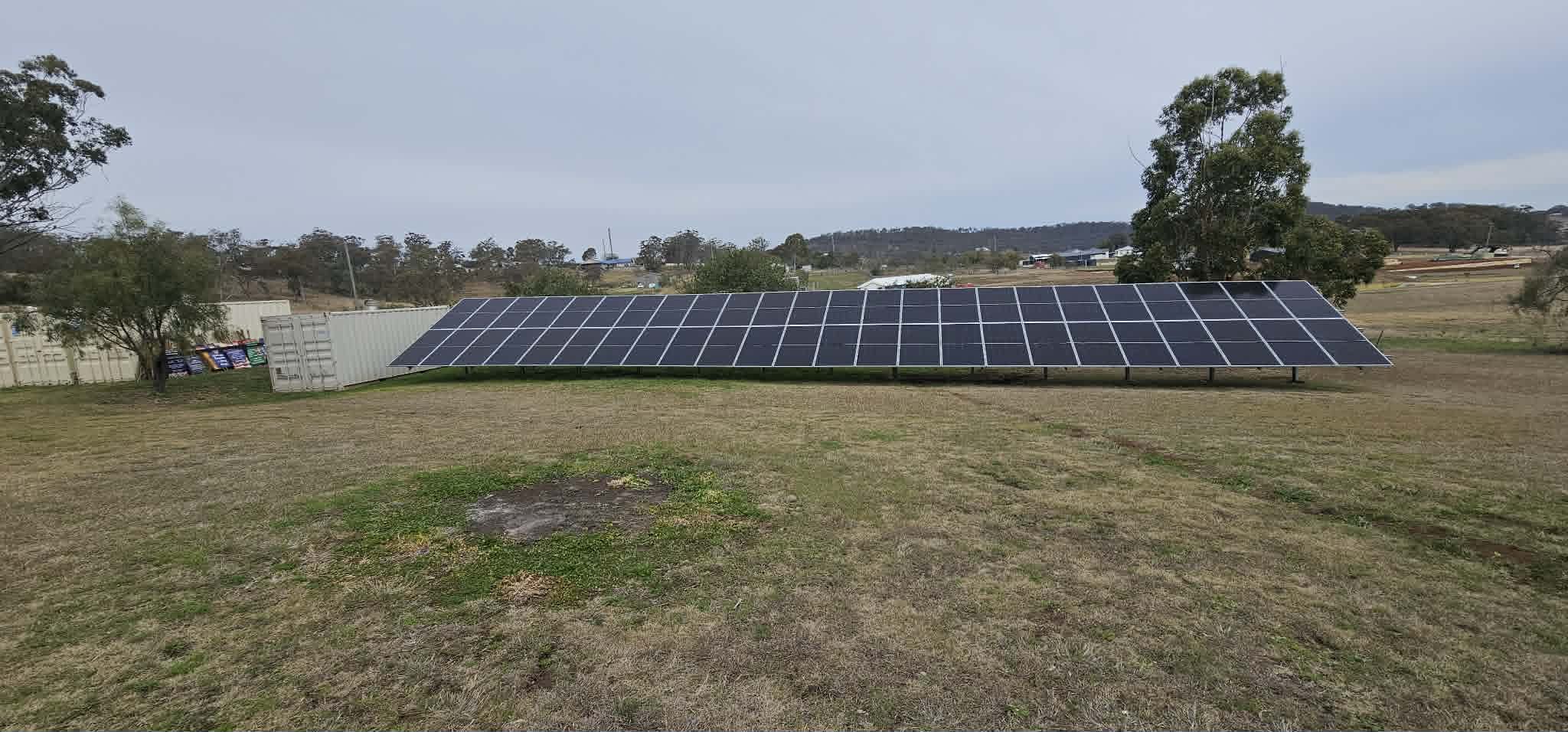
Off-Grid Solar Systems
Building standalone from scratch rather than converting an existing connection.
Learn more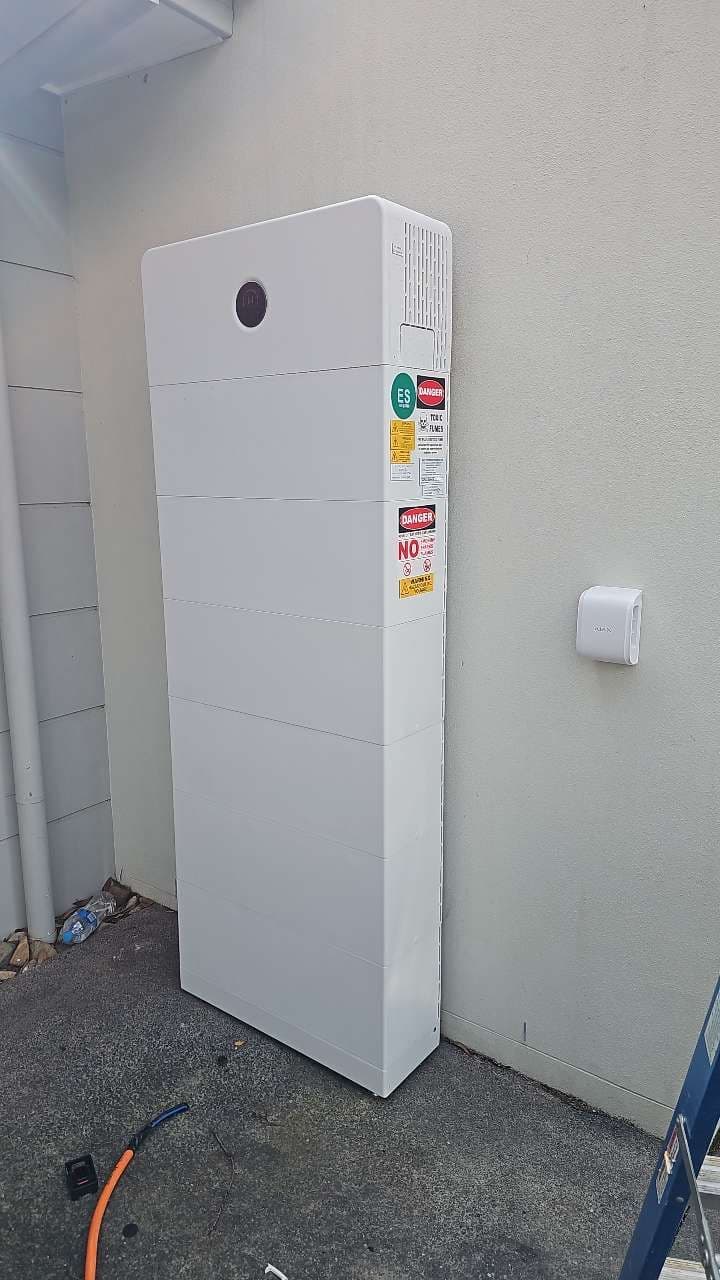
Battery Storage & Hybrid Systems
The middle path: keep the connection, kill the consumption.
Learn more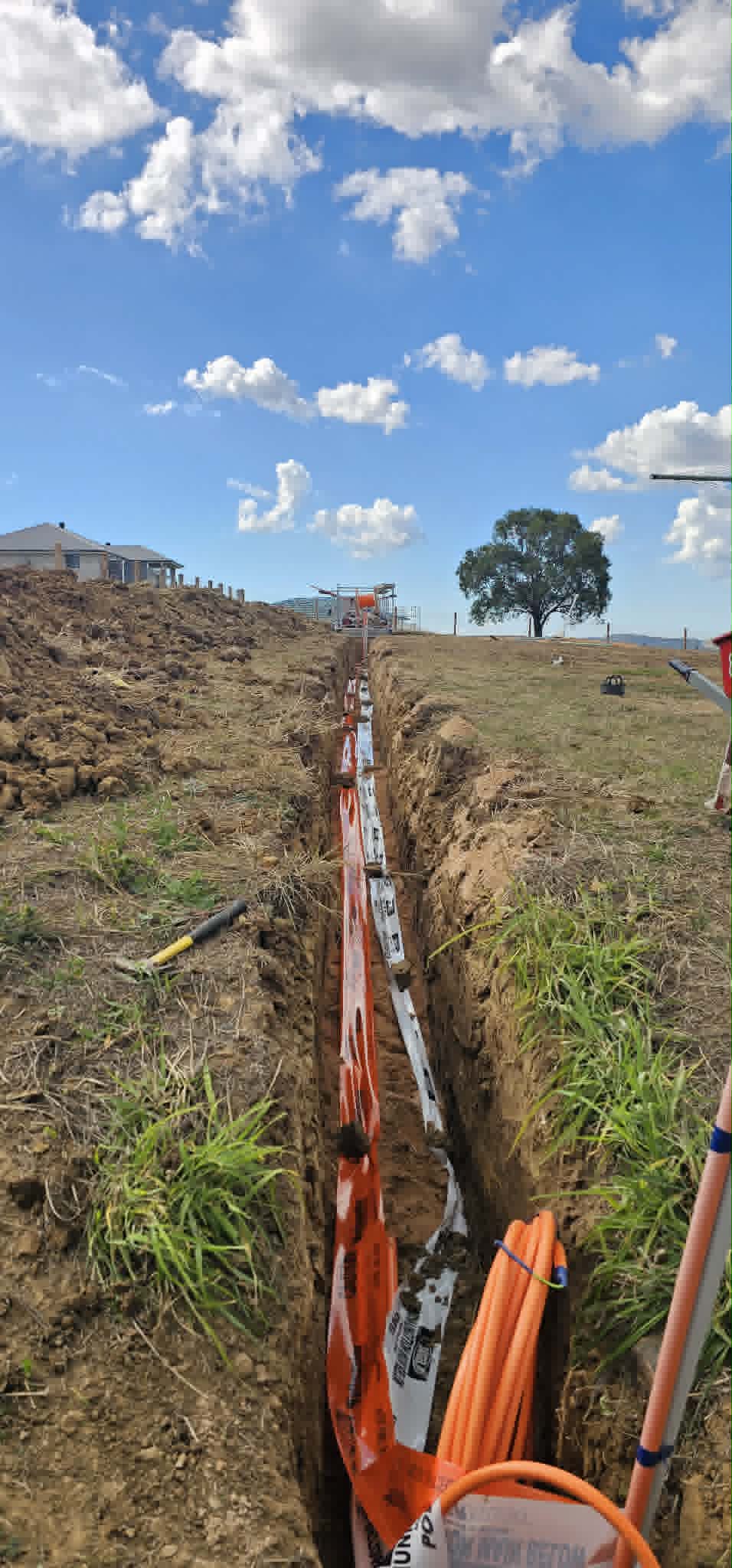
Rural & Farm Electrical
The sheds, pumps and underground runs that a converted property still needs.
Learn moreWhat People Ask Before Converting.
Bring Us Twelve Months of Bills. We'll Tell You What It's Worth.
The assessment is free, the maths is honest, and if converting doesn't pay for itself on your property we'll say so.