
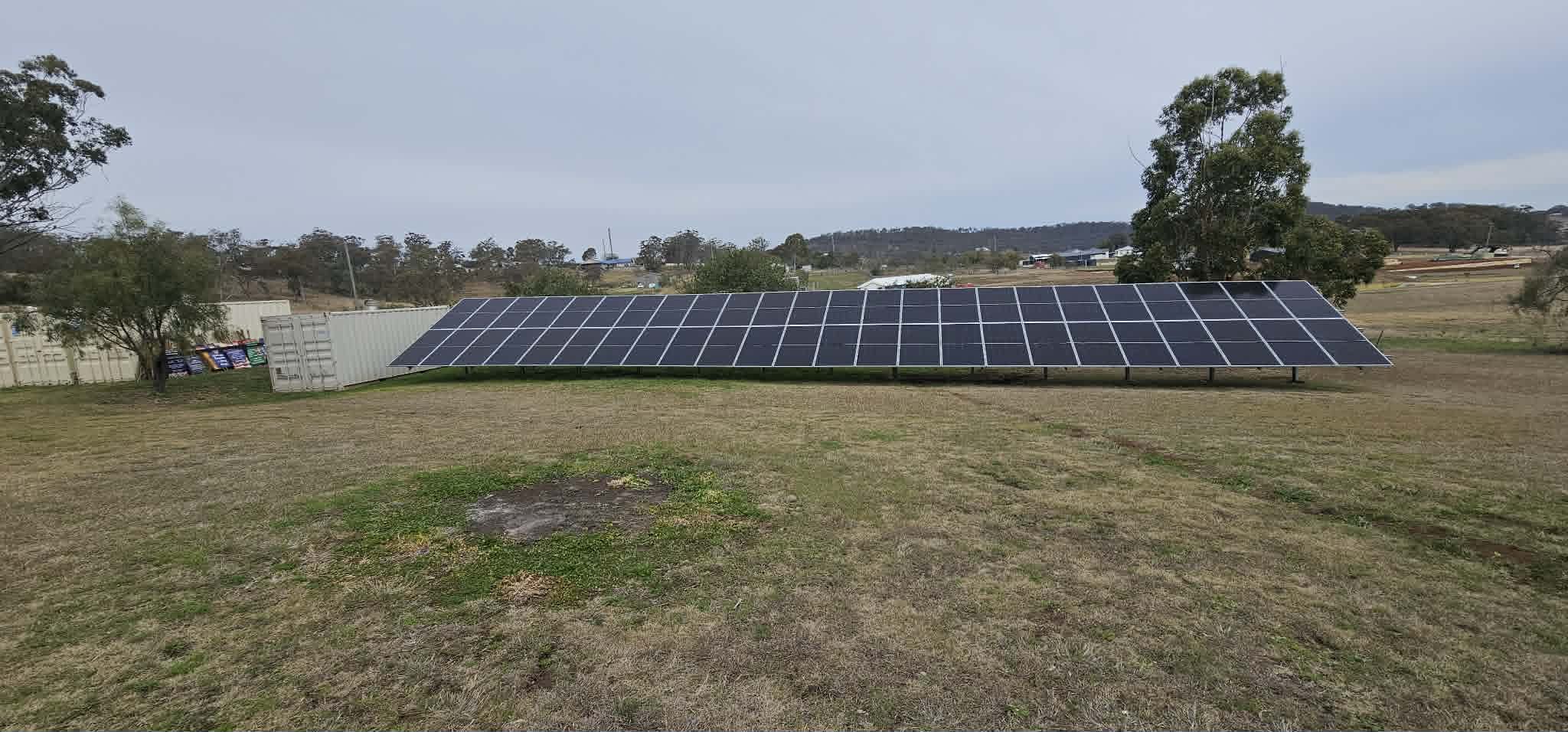
Off-Grid Solar Systems in Queensland
An off-grid solar system generates and stores all your own power with no grid connection at all. We design it around your measured load, then install and certify it as your licensed contractor.
What an Off-Grid System Actually Is
An off-grid solar system generates, stores and delivers all of your property's power with no connection to the network. No supply charge, no network tariff, no outage caused by a fault three properties away. A solar array sized to your daily consumption feeds a battery bank sized to your autonomy requirement, and an off-grid inverter, built and installed to AS/NZS 4509, turns that into the 230V supply your property runs on.
That is the simple version. The reason off-grid systems fail is almost never the panels. It is the sizing. A residential-scale design dropped onto a working property will trip every time the irrigation pump starts, run flat by Thursday in a wet week, and leave the owner running a generator they were told they would never need again.
We size the array against your measured daily consumption, the battery against how many days of no sun you can tolerate, and the inverter against the largest start-up surge on your site. Then we build in generator integration if the load profile genuinely justifies it, not as a fix for an undersized system.
At a Glance
Five Situations Where Off-Grid Is the Obvious Answer
Off-grid solar makes the clearest financial sense when a grid connection is expensive, unreliable or simply not on offer. These are the five situations that bring most of our off-grid enquiries in.
The nearest connection point is hundreds of metres away, or kilometres.
A new grid connection across your own land can cost more than an entire standalone system, and then you still get a bill every quarter for the rest of your life.
Your bill keeps climbing but your usage has not moved.
On fringe-of-grid properties the fixed supply and network component often outweighs the electricity itself. Generating on site removes the charge, not just the consumption.
You lose power several times a year and it costs you.
Long rural feeders go down in storms. If an outage means spoiled stock, a stopped dairy or a dry trough, autonomy has a dollar value you can calculate.
It is an island or a remote block with no reticulated supply.
Diesel generation means fuel logistics, servicing and noise indefinitely. A properly sized standalone system replaces all three.
You are building and the connection quote made your eyes water.
This is the cheapest moment in the property's life to go off-grid, because the trenching, the shed and the switchboard are all still on the plan rather than in the ground.
What a Complete Off-Grid Installation Covers
Four stages: measure the load, design the system, build it, then commission and certify it. Nothing is quoted before the first stage is done.
Load Assessment and Energy Audit
We log what your property actually consumes across a representative period, including start-up surge on pumps, compressors, cool rooms and workshop machinery. This step decides whether the system works, and it is the one most often skipped.
System Design
Array size and orientation, battery capacity and chemistry, inverter selection sized to your largest surge, mounting method, cable runs and protection, designed to AS/NZS 4509 and AS/NZS 5139. You get the design on paper with the reasoning, not just a total.
Supply and Installation
Roof or ground mounting, including tilt frames and bifacial ground mounts where the site suits, DC and AC works to AS/NZS 5033, battery enclosure, switchboard integration, earthing, labelling and any trenching required.
Commissioning, Certification and Handover
Full system test, performance verification, the Certificate of Testing and Compliance for the installation, labelling to standard, and a walkthrough so you know what the alarms mean and what to do if the sun does not come out for a week.
Everything Else Is Detail
Daily consumption sets the array, days of autonomy sets the battery, and peak surge sets the inverter. Get those three right and the rest of the design follows.
Daily Consumption
How many kilowatt-hours you use in an average day, and how that changes between summer and winter. This sets the size of the array. Measured, not estimated from a bill.
Days of Autonomy
How long the system has to run with no useful sun. This sets the battery bank, and it is the single biggest cost lever on the whole quote. Going from two days to three is not a small change.
Peak Surge Load
The largest instantaneous demand on the property, usually a pump or a compressor starting. This sets the inverter. Get it wrong and the system trips every time the bore kicks in.
Two of these three can usually be reduced by design rather than by spending. Shifting high-draw work to daylight hours and soft-starting your largest motor can take a meaningful amount off a quote. For the full method, see our guide to how to size an off-grid solar system for a Queensland property.
Why We Will Not Quote You a Figure Over the Phone
Any number quoted before a site visit is a guess, and off-grid is not a category where guessing ends well. Two properties with identical sheds and similar bills can need systems that differ by a factor of three, because one runs a 15kW irrigation pump and the other does not.
What we can tell you upfront is what drives the price: your daily consumption, the days of autonomy you want, your peak surge load, the mounting method your site allows, and how far the cable has to run. There are no hidden line items past those five.
Every quote we issue is fixed, written and itemised: equipment, mounting, cabling, commissioning and certification listed separately so you can see what you are paying for. The site assessment that produces it costs you nothing, and if off-grid does not stack up for your property we will say so. If you want a sense of the numbers before you call, we have written up what it actually costs to take a Queensland farm off-grid.
There is currently no active Queensland state rebate specifically for off-grid solar. If your system includes a battery, the federal Cheaper Home Batteries Program may apply. We will tell you what currently applies to your situation at the assessment.
Off-Grid Is the Specialism, Not a Side Product
Boden Snell has spent years building standalone systems on farms and islands across Queensland, including long-running work on Moreton Island and Daydream Island, so remote logistics are routine rather than a surprise.
We measure the load.
Data logged on your equipment, including surge, not a number pulled off last quarter's bill.
The person who quotes it installs it.
No sales layer, no subcontracted install crew, no gap between what was promised and what gets built.
Remote and island work is normal here.
Barge logistics, materials scheduling and no-second-trip planning are built into how we quote, because most of our sites are a long way from a supplier.
Certification is part of the job.
Off-grid installations carry documentation obligations that get overlooked. Ours are finished at commissioning.
We build off-grid systems throughout the Lockyer Valley and Scenic Rim, across Toowoomba and the Darling Downs, and on islands including Moreton Island.
Related Services
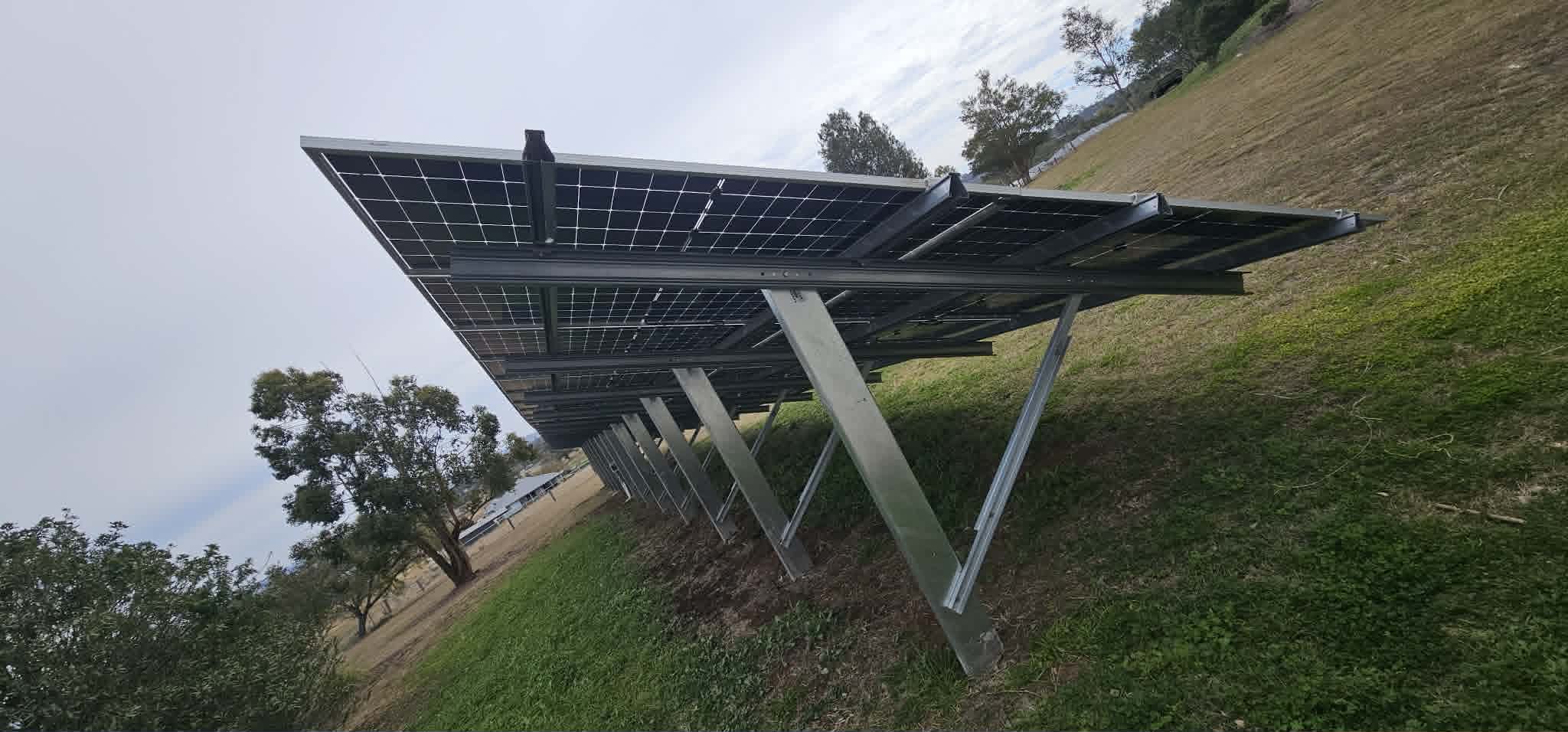
Grid to Off-Grid Conversion
Already connected? This is the page for removing the connection rather than building without one.
Grid to Off-Grid Conversion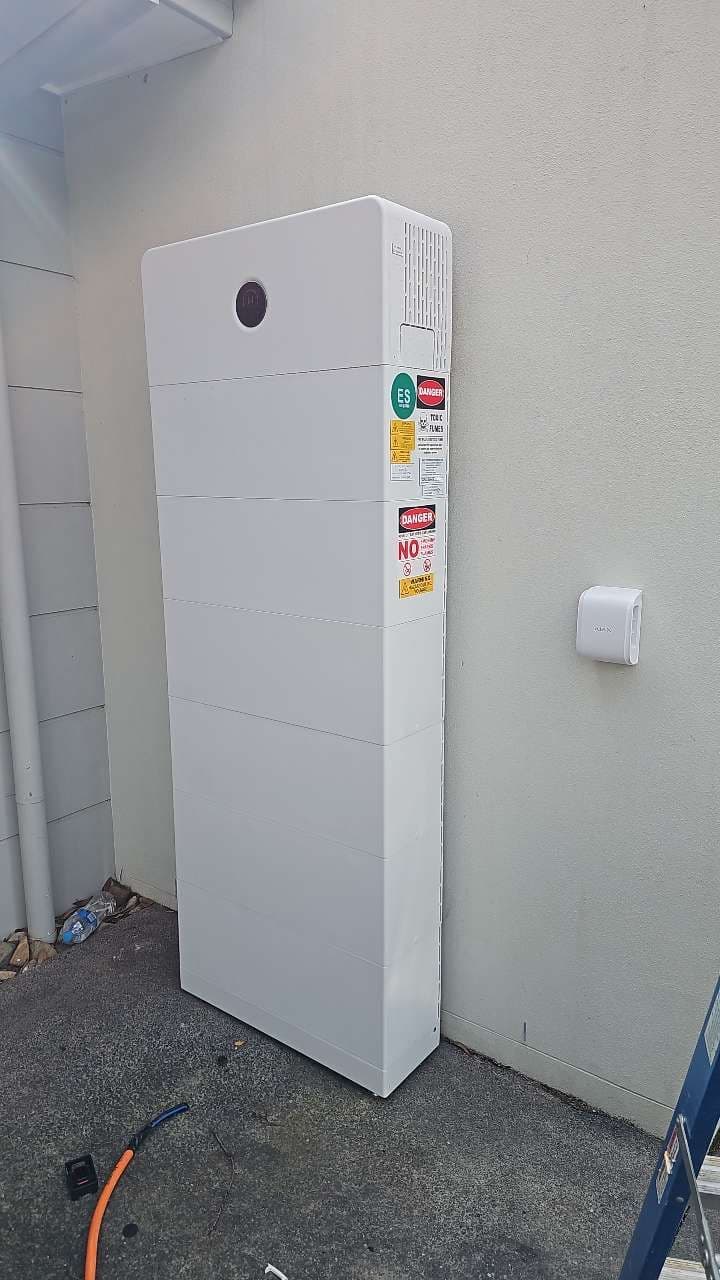
Battery Storage and Hybrid Systems
Storage sizing, hybrid configurations, and keeping the grid as a backstop instead of a bill.
Battery Storage and Hybrid Systems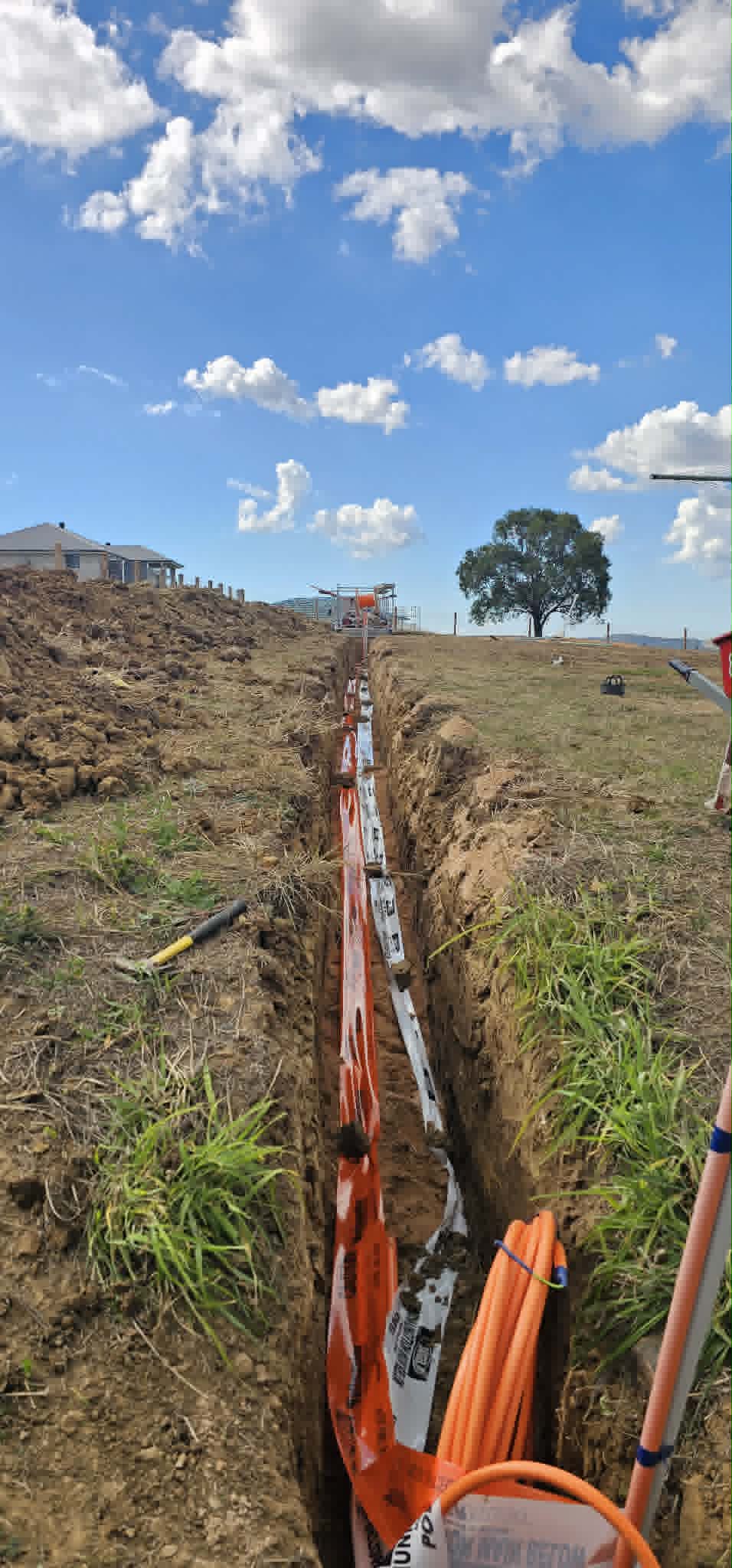
Rural and Farm Electrical
Sheds, pumps, irrigation and the underground runs that connect an off-grid system to the rest of the property.
Rural and Farm ElectricalWhat People Ask Before They Commit
Find Out What Your Property Would Actually Need
A free site assessment gets you a real design and a fixed written price, and a straight answer if standalone power is not right for your site.