
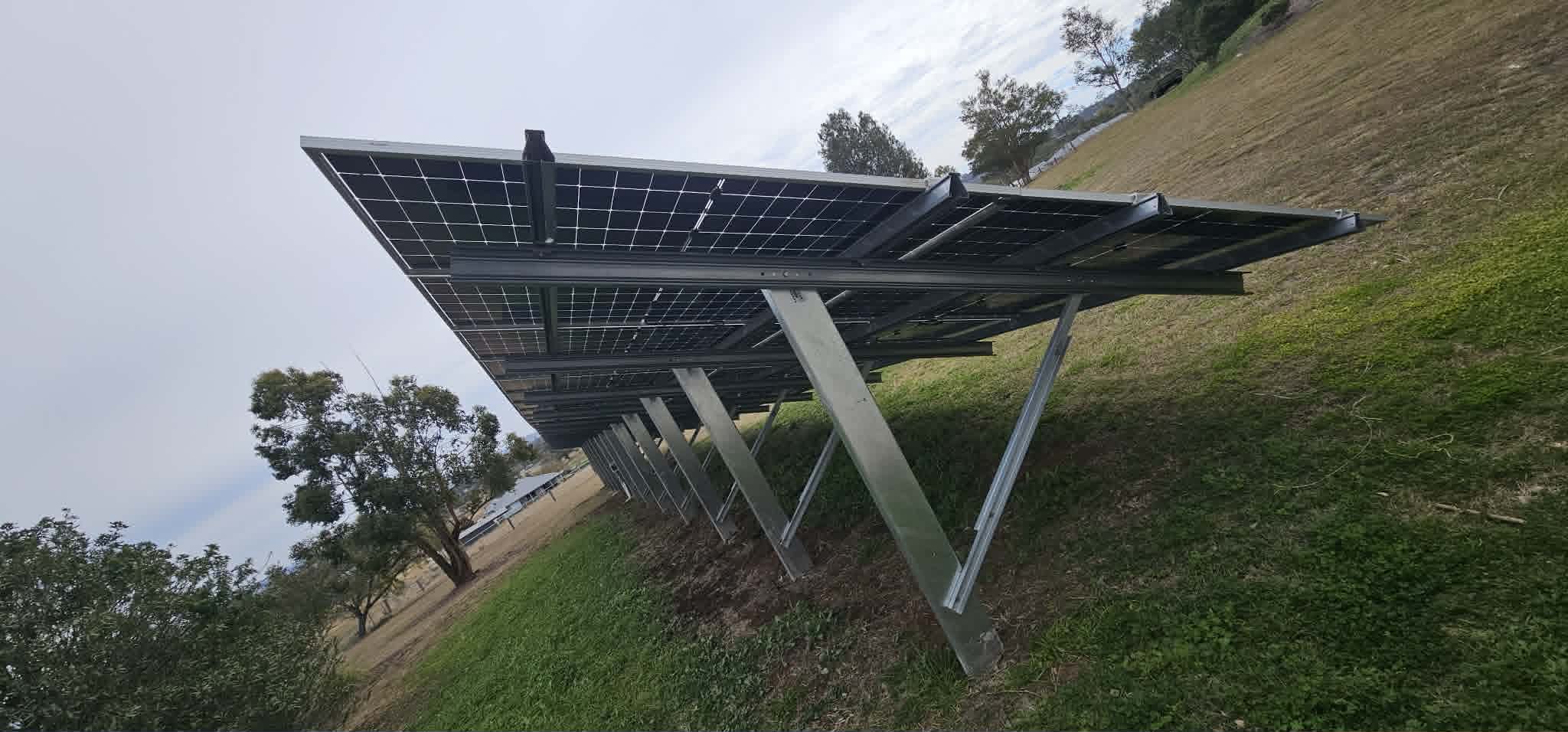
Island and Remote Area Electrical Work in Queensland
Most of the islands off the east coast, with years of repeat work on Moreton Island and a good amount on Daydream Island. Barge logistics and materials planned before we leave the mainland.
On an Island, the Job Is Half Electrical and Half Logistics.
There's no supplier down the road, no second trip that doesn't cost a barge booking, and often no reticulated mains supply at all. That means the power system isn't a bill-reduction exercise, it's the thing the property runs on.
We've done years of work on Moreton Island and a lot of work on Daydream Island, plus remote mainland sites up the coast. What that experience buys you is unglamorous and useful: an accurate materials list, spares for the things that fail, a schedule built around barge and tide windows, and a system specified for salt air rather than a suburban backyard.
The electrical work itself is the same trade we do everywhere: off-grid design, switchboards, generation, storage, distribution, comms. It's the planning around it that decides whether a job finishes in one visit or drags across three.
At a Glance
What Changes When the Job Is Across Water.
The materials list has to be right the first time.
One missing gland or the wrong length of cable is a barge booking and a lost day. We over-specify consumables and carry spares for the components that actually fail.
Barge windows and tides set the schedule.
Access is scheduled, not assumed. Plant, materials and crew movements are planned around the sailing timetable and vehicle access on the sand.
Salt air eats hardware.
Coastal exposure drives enclosure ratings, fixing material selection and mounting design. Standard mainland hardware fails early on an island, and the replacement costs a barge trip.
There's often no grid to fall back on.
Where mains supply isn't available, the stand-alone system is the entire supply. Autonomy and generator integration are designed conservatively, because a flat battery bank on an island isn't a minor inconvenience.
Servicing has to be infrequent by design.
We specify for long maintenance intervals and remote monitoring where possible, because a call-out you can't drive to is expensive for everyone.
Built for Coastal Exposure, Not a Suburban Roof.
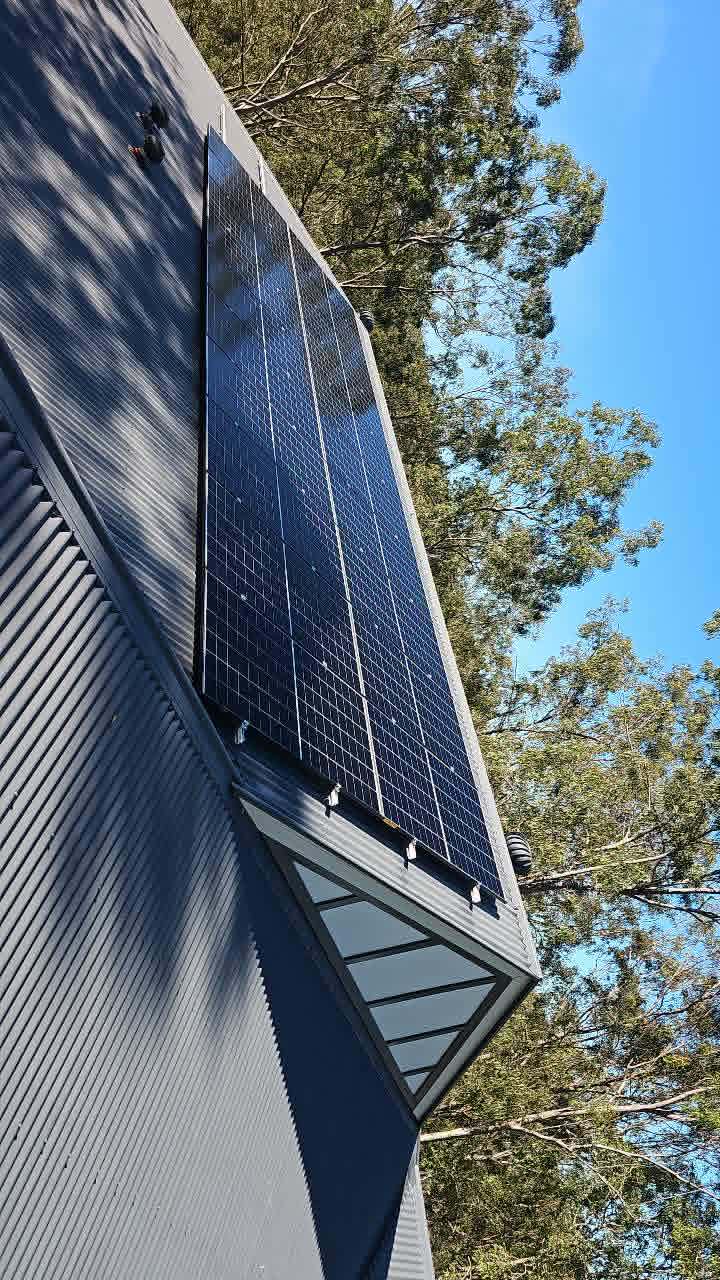
Remote and coastal properties get the same panels, inverters and battery hardware as anywhere else. What changes is the fixings, the enclosure ratings and the mounting detail, chosen so salt air and humidity don't take years off the system's life.
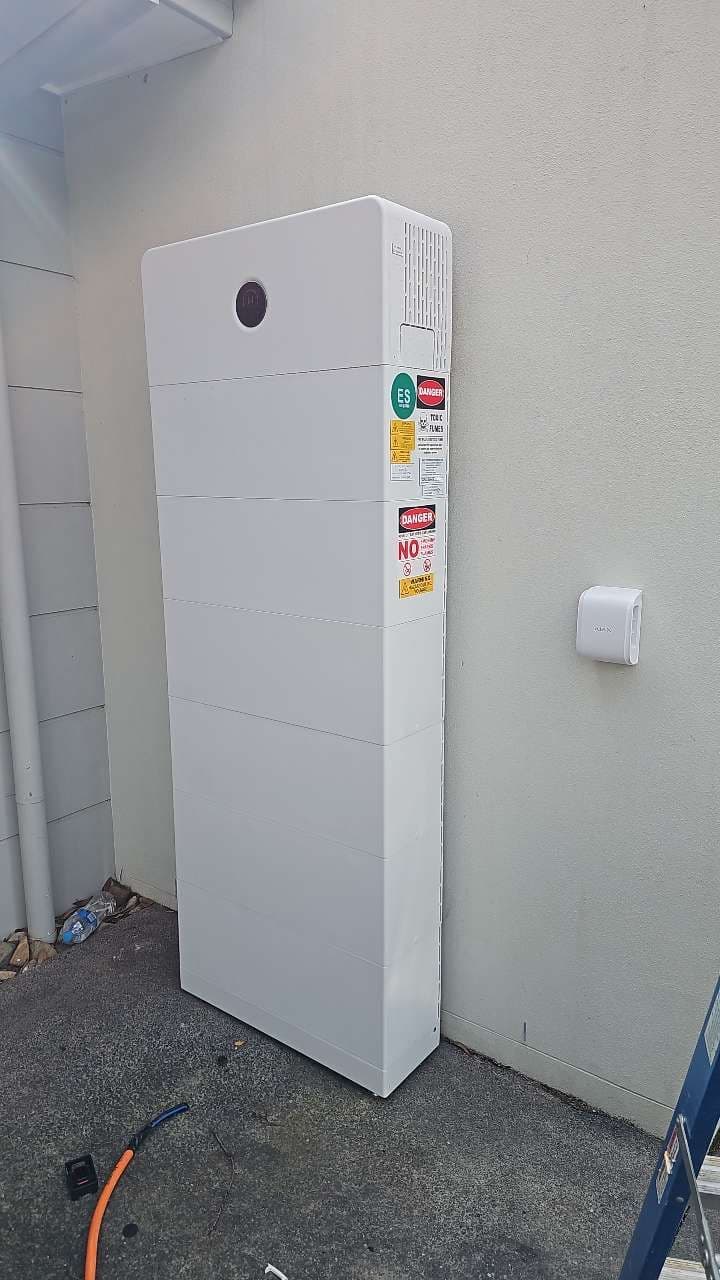
Battery enclosures go outside more often on these sites, so ventilation, signage and weatherproofing are part of the design from the start, not an afterthought fitted on the day.
Quoted Honestly, Including the Parts People Hide.
Before anybody gets on a barge we work out what can be established remotely: photos, plans, meter and board details, and a clear list of what still needs eyes on it. Where practical, the assessment trip carries materials and completes work rather than being a pure inspection. That's one barge booking instead of two.
Travel, barge, accommodation and materials consolidation are all itemised in the quote. You see the logistics cost rather than finding it buried in an hourly rate, which is the only way a remote quote can be fairly compared to another one.
The works are then scheduled to complete in one mobilisation wherever the scope allows, with certification completed on site rather than posted weeks later.
Two Islands We Know Well, and the Design Behind Them.
See what island work looks like in practice on our Moreton Island service area page and our Whitsundays and Daydream Island service area page, including the logistics and timelines specific to each.
Every island job runs on a stand-alone power system, so if you want the detail on how generation, storage and inverter sizing actually work, read our off-grid solar systems page.
Related Services
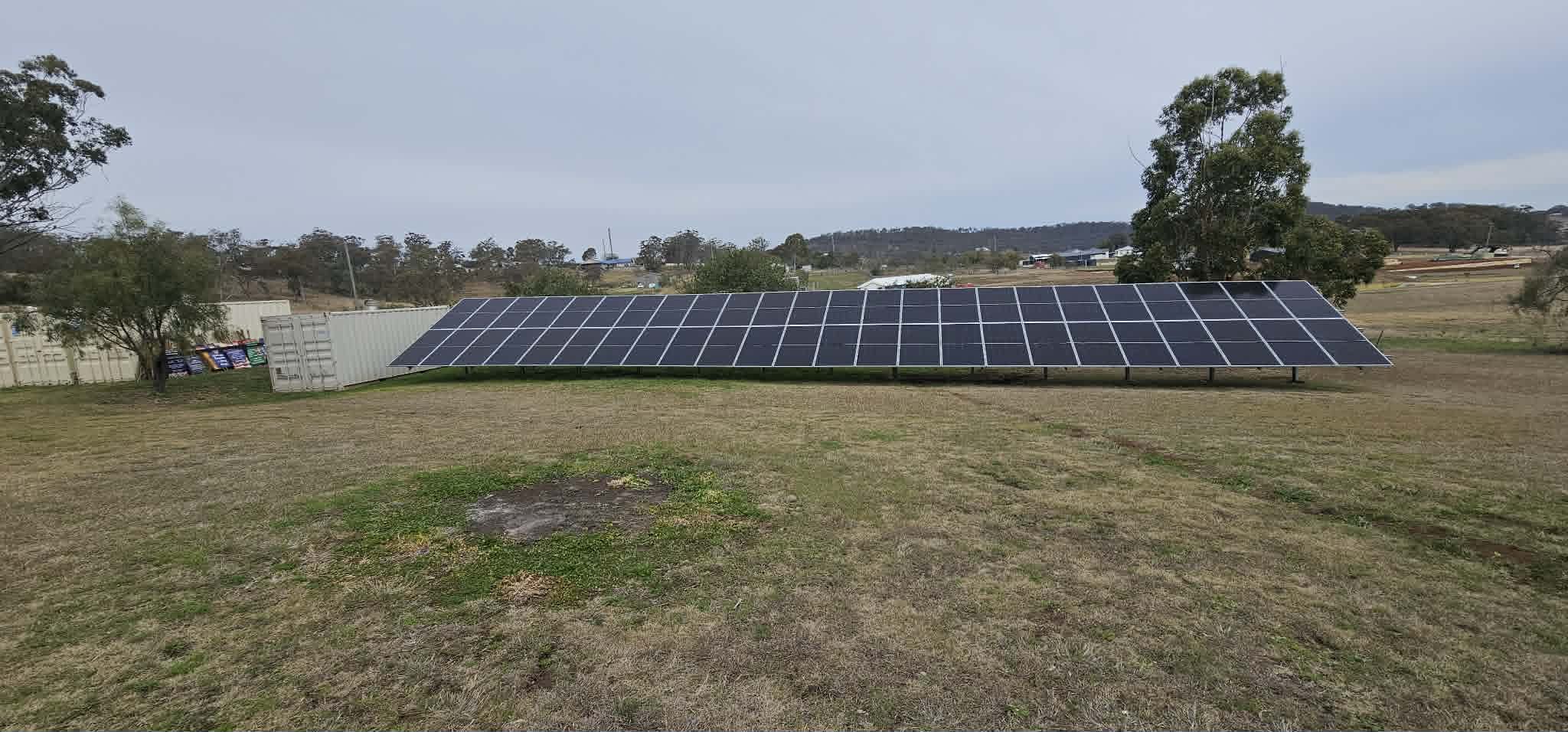
Off-Grid Solar Systems
Complete stand-alone power for islands and remote dwellings.
Read about off-grid solar systemsBattery Storage and Hybrid Systems
Modular battery storage built for harsh, salt-exposed environments.
Read about battery storage and hybrid systems
Commercial and Industrial Electrical
Switchboards, three-phase plant and power distribution for island resorts and sites.
Read about commercial and industrial electricalWhat People Ask About Island and Remote Work.
Tell Us Where the Site Is. We'll Tell You What It Takes to Get There.
Island and remote quotes include the access costs in writing, itemised, before you commit to anything.