Why Blanket Price Ranges Are Misleading
Articles about off-grid costs that open with a simple ballpark number are either advertising or guessing. To understand why, consider two neighbouring properties in the Lockyer Valley. Both sit on fifty acres, both have large machinery sheds, and both receive similar quarterly electricity bills.
The first property powers a homestead, a cold room, and workshop lighting. The second runs all of that, plus a 15kW three-phase bore pump that starts four times a day. The systems those two properties require are not slightly different: they differ by tens of thousands of dollars.
The pump does not merely add kilowatt-hours to the daily total. It dictates the inverter capacity. Inverters must be sized to handle the largest instantaneous start-up surge on the property rather than the continuous running draw. Sizing for that single motor start can make the inverter and switchgear the most expensive line in the design.
Instead of an arbitrary figure, understanding off-grid costs comes down to the four physical variables that make up the price.
The Four Variables That Determine System Cost
Every stand-alone power system quote is driven by four technical parameters. Changing any one of them changes the equipment specifications on your quote.
1. Daily Energy Consumption (Kilowatt-Hours per Day)
The total kilowatt-hours your property consumes over twenty-four hours sets the physical size of your solar array. Your past electricity bills provide a starting benchmark, but they hide the hourly load curve. Two properties using 40 kWh per day need very different equipment if one property uses that power during sunny afternoons while the other runs continuous refrigeration and lighting overnight.
2. Days of Autonomy (Battery Storage Capacity)
Autonomy refers to how many days your property can run its regular electrical loads with zero solar generation during heavy cloud or continuous rain. Because lithium battery banks represent the largest single cost in an off-grid design, moving from two days of autonomy to four doubles your battery investment.
Trade practice: Most working rural properties install a moderate battery bank backed by an automatically started diesel generator. The generator runs for twenty or thirty hours a year during extended monsoonal troughs, saving tens of thousands of dollars compared to buying an oversized battery bank that sits mostly unused for ten months of the year.
3. Peak Surge Load (Inverter Capacity)
Inverters convert DC battery power into 240V or 415V AC electricity. They must carry the simultaneous running load plus the locked-rotor starting current of your largest electric motor. Bore pumps, cold room compressors, pressure cleaners, and welders can pull five to eight times their full-load current for several seconds upon start-up. If the inverter cannot supply that surge, it trips out to protect itself.
4. Distribution and Cable Distances
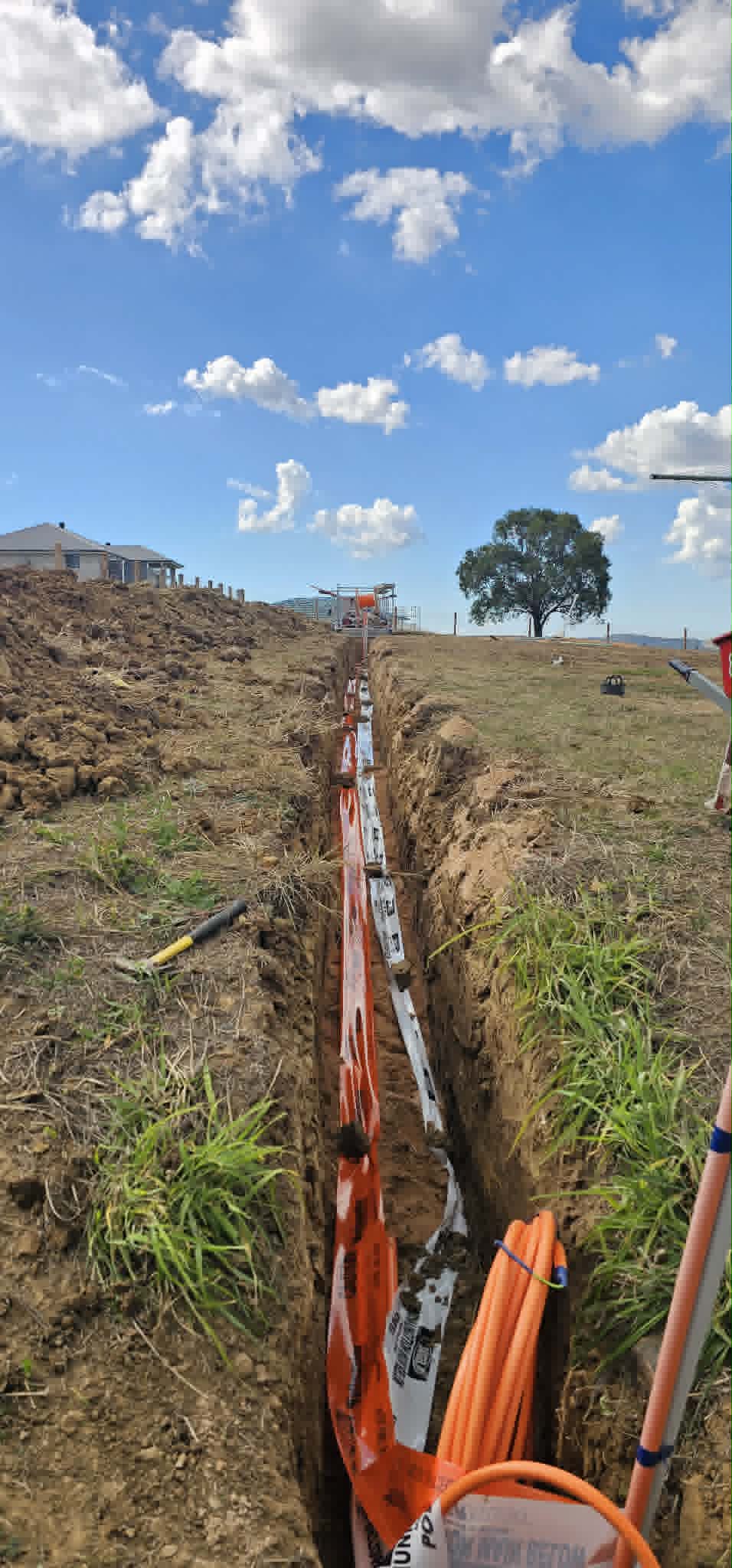
How far the power must travel after generation is a major factor on farms. Distributing power across hundreds of metres to an electric front gate, cattle yards, and remote pump sheds requires heavy-gauge copper to avoid crippling voltage drop. On large holdings, trenching and conduit can equal generation costs. In some cases, installing a dedicated secondary solar pump system at the bore is significantly more economical than trenching cables from the homestead.
Two Decisions That Can Take a Third Off a Quote
Property owners can directly influence the cost of their system through two practical operational adjustments:
- Shift high-demand loads into daylight hours: If bore pumping, stock water transfer, and heavy battery tool charging occur between 9:00am and 3:00pm, energy flows directly from the panels into the work. It never touches the batteries, allowing you to specify a substantially smaller and more cost-effective battery bank.
- Install a soft starter or variable speed drive (VSD): Adding a VSD to your largest pump motor ramps speed up smoothly, reducing starting current from 6x full-load current down to roughly 1.5x. This prevents massive inverter surges and often allows you to step down to a smaller, more affordable inverter model.
What a Written Farm Quote Must Itemise
Never accept a quote that presents a single lump sum with a vague description. A professional off-grid quote must separately itemise:
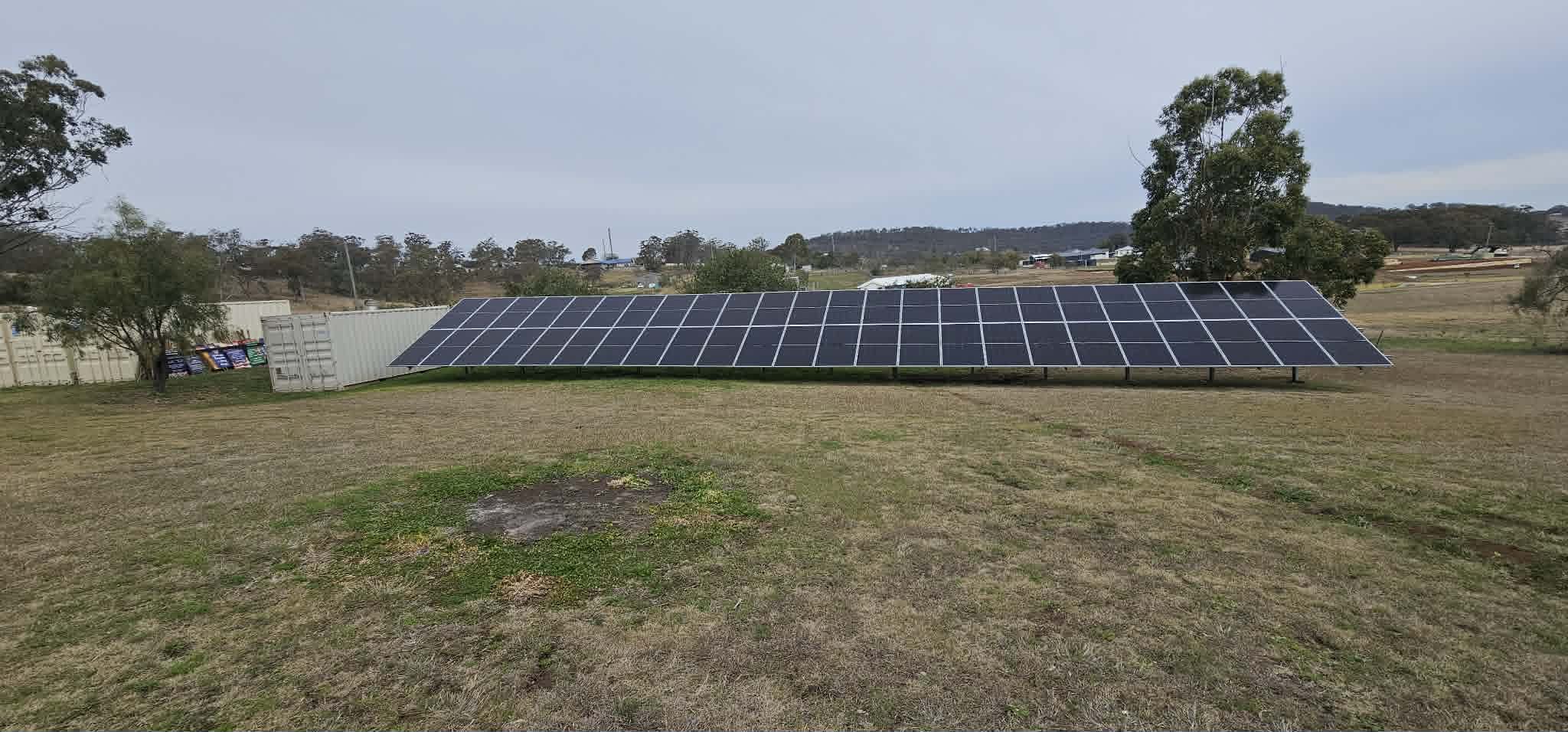
- Solar array: Panel manufacturer, model, module count, and total peak kilowatt rating.
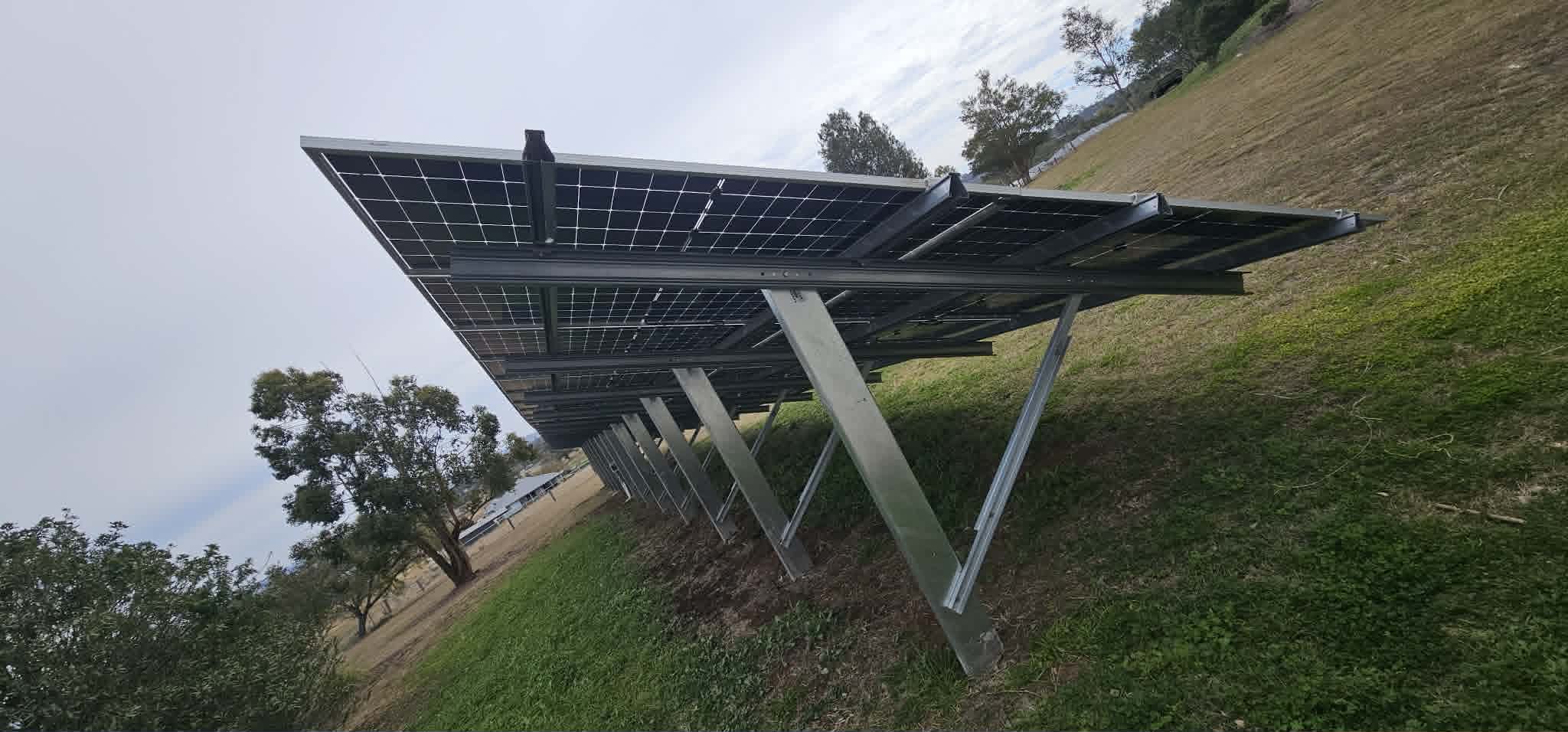
- Mounting infrastructure: Engineered ground-mount tilt frames or roof mounting with wind ratings.
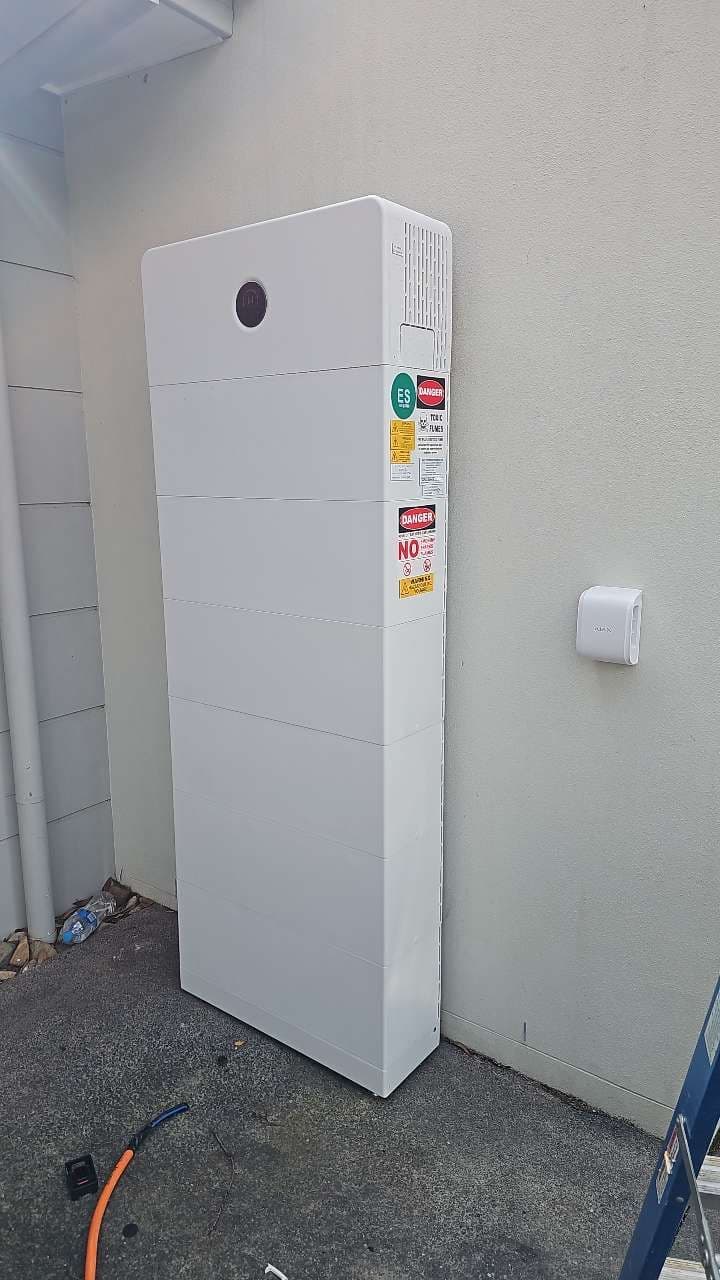
- Battery storage: Battery chemistry (such as LiFePO4), nominal capacity versus usable capacity, and warranted cycles.
- Inverter capacity: Continuous kilowatt output and instantaneous surge rating.
- Generator control: Automated two-wire start relays and transfer switching.
- Distribution and trenching: Conduit specifications, cable cross-sections, and trench depths.
- Compliance and handover: System commissioning, safety labeling to standards, and the statutory Certificate of Testing and Compliance.
Comparing Off-Grid Costs to the Fixed Network Bill
When evaluating off-grid power, calculate the cost of remaining connected over the next ten to fifteen years. Sum your daily supply charges, network capacity fees, and line maintenance costs, completely excluding your actual kilowatt-hour usage.
On regional properties at the end of long private power poles or rural feeders, supply and pole maintenance costs regularly exceed fifty thousand dollars over a decade. An off-grid solar system converts those continuous, uncontrolled overheads into an owned asset that generates reliable power on site.
To understand the right system topology for your property, read our comparison on Off-Grid vs Hybrid vs Grid-Connected Solar, or explore our grid to off-grid conversion process.
Boden Snell
QLD Licence 1503588Founder & Licensed Electrical Contractor
Boden has worked in the electrical trade for sixteen years, specialising in off-grid solar, battery storage, and stand-alone power systems for farms, commercial facilities, and island properties across Queensland.