Three Different Systems Sold Under One Word
Grid-connected solar, hybrid solar, and off-grid solar are frequently bundled together under the general word “solar”. This creates persistent confusion for property owners and occasionally leads to costly disappointment when expectations clash with how equipment actually functions.
Each configuration serves a fundamentally different purpose, carries a different price point, and delivers different degrees of energy independence. Understanding the technical boundaries between them ensures you invest in the system that actually meets your operational needs.
Grid-Connected Solar: Daytime Offset Only
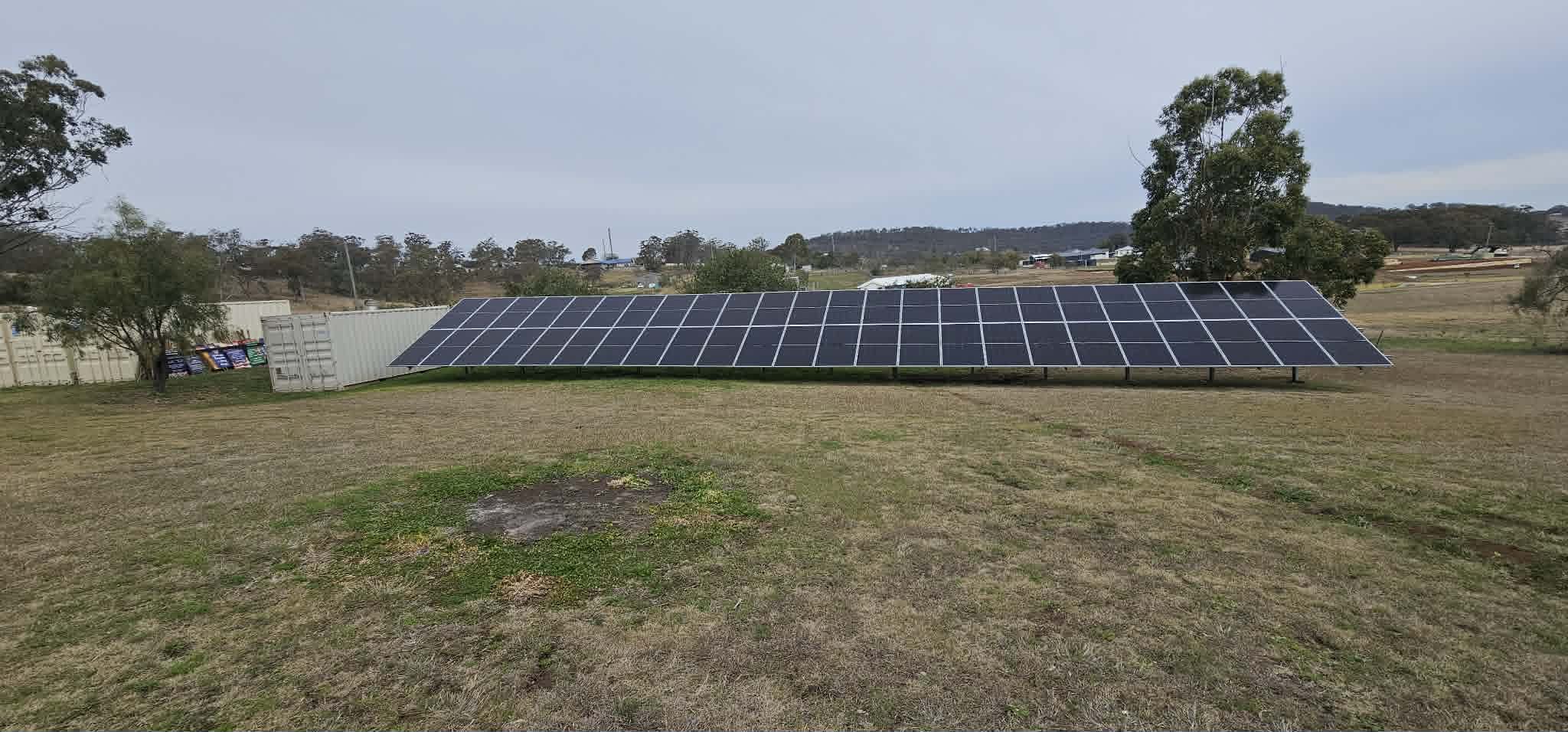
A standard grid-connected system consists of solar photovoltaic panels on the roof connected to a grid-tied string inverter. The system generates power during daylight hours to offset real-time household or commercial consumption. Any excess generation is exported into the grid for a feed-in credit.
- Best suited for: Commercial premises, workshops, or homes where the majority of power consumption occurs between 8:00am and 4:00pm, with a reliable grid connection and low fixed charges.
- Unsuitable for: Properties with heavy evening consumption (such as air conditioning, cooking, and pool pumps), because daytime export credits (often 3 to 6 cents per kWh) are negligible compared to peak evening import tariffs (often 30 to 45 cents per kWh).
- What it cannot do: Keep your power on during an outage. Under mandatory Australian safety standards, grid-tied inverters immediately disconnect when grid power fails, leaving your property in the dark during a blackout even on a cloudless midday afternoon.
- What it eliminates: A portion of your daytime kilowatt-hour energy usage charges. It does not touch your daily service connection charge.
Hybrid Solar: Self-Consumption and Blackout Backup
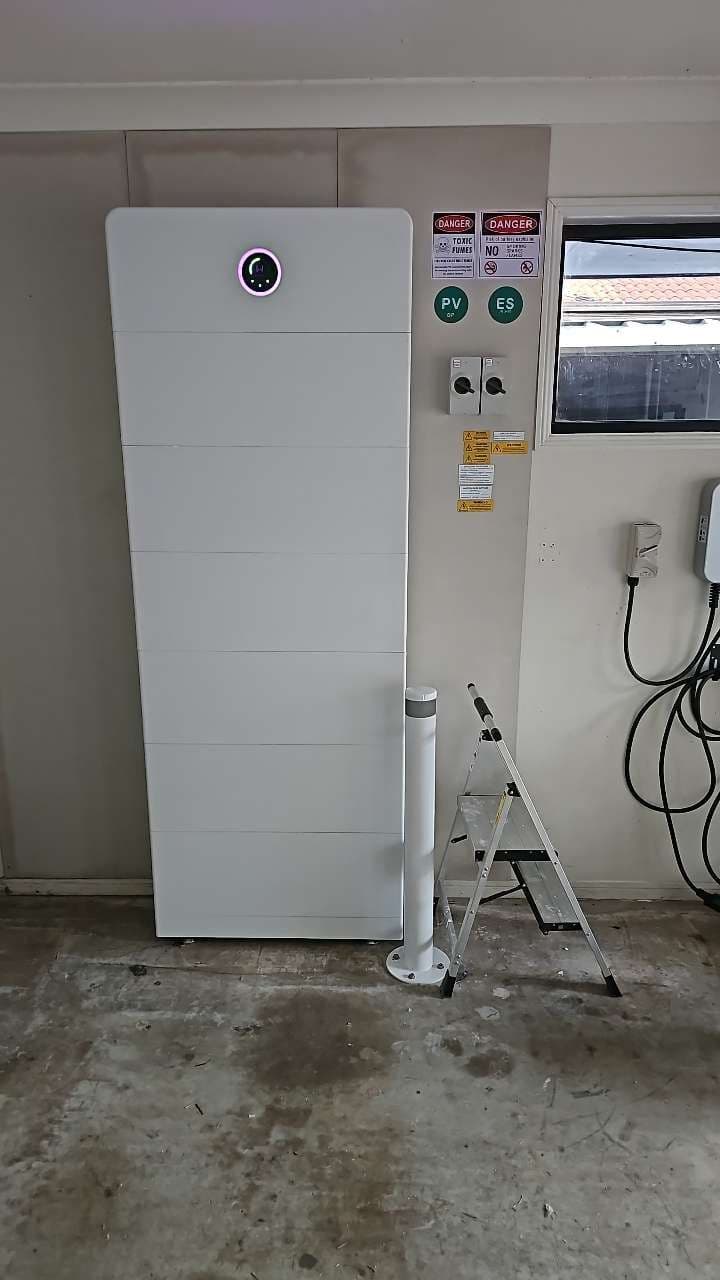
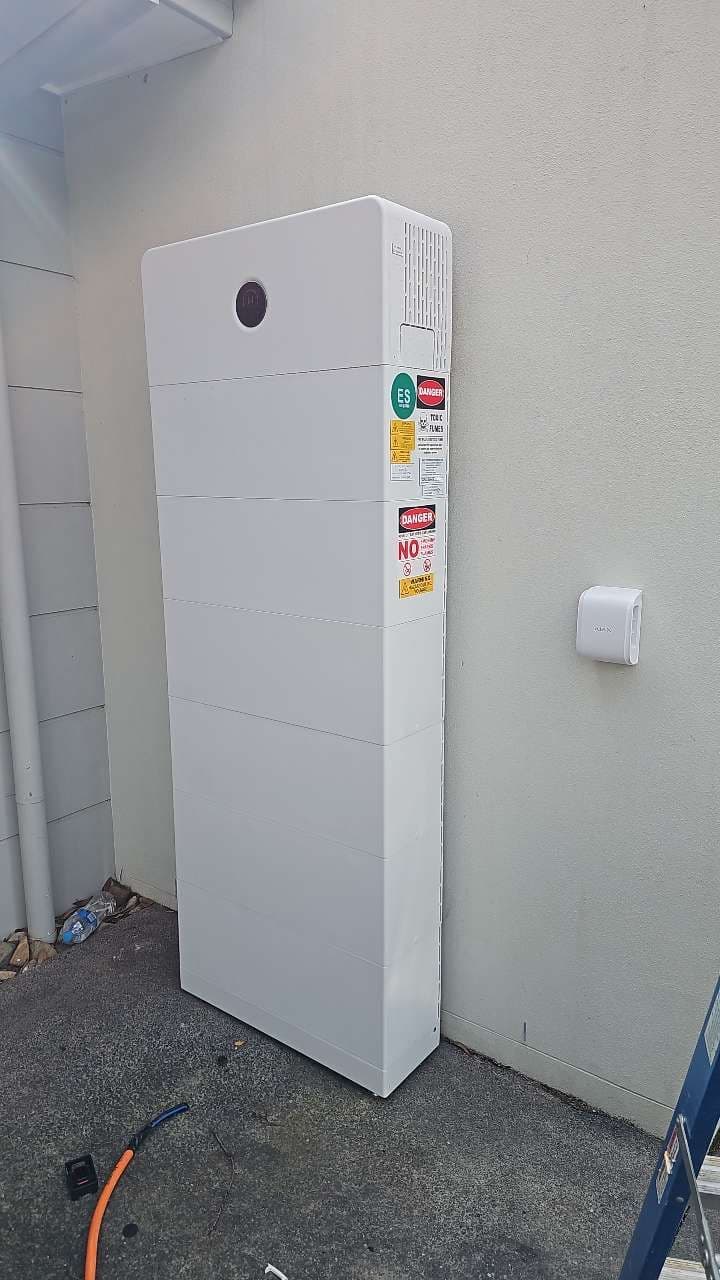
A hybrid system pairs solar panels and a multi-mode hybrid inverter with a dedicated lithium battery storage bank, while maintaining the physical connection to the electricity grid.
During the day, solar generation first powers your property. Any surplus electricity charges the battery. In the evening, the battery discharges to cover dinner preparation, air conditioning, and household lighting. The grid serves only as an emergency top-up during extended bad weather or when battery storage is depleted.
- Best suited for: Suburban homes, peri-urban acreage, and small businesses that experience frequent nuisance blackouts or want to eliminate high evening peak power bills while keeping grid backup.
- Backup functionality: When the grid drops out, an integrated automatic transfer switch isolates your home and powers your backed-up circuits within milliseconds.
- What it eliminates: Up to 90% or more of your total kilowatt-hour usage bill. It does not remove the daily network supply charge, because you remain connected to the poles and wires.
Critical design decision: Backup capacity must be chosen before installation. Whole-of-house backup requires a large inverter capable of starting ducted air conditioning, ovens, and pumps simultaneously. Essential-circuit backup powers your refrigerator, freezer, water pressure pump, lights, and internet router at a fraction of the hardware cost.
Off-Grid Solar: Total Disconnection and Autonomy
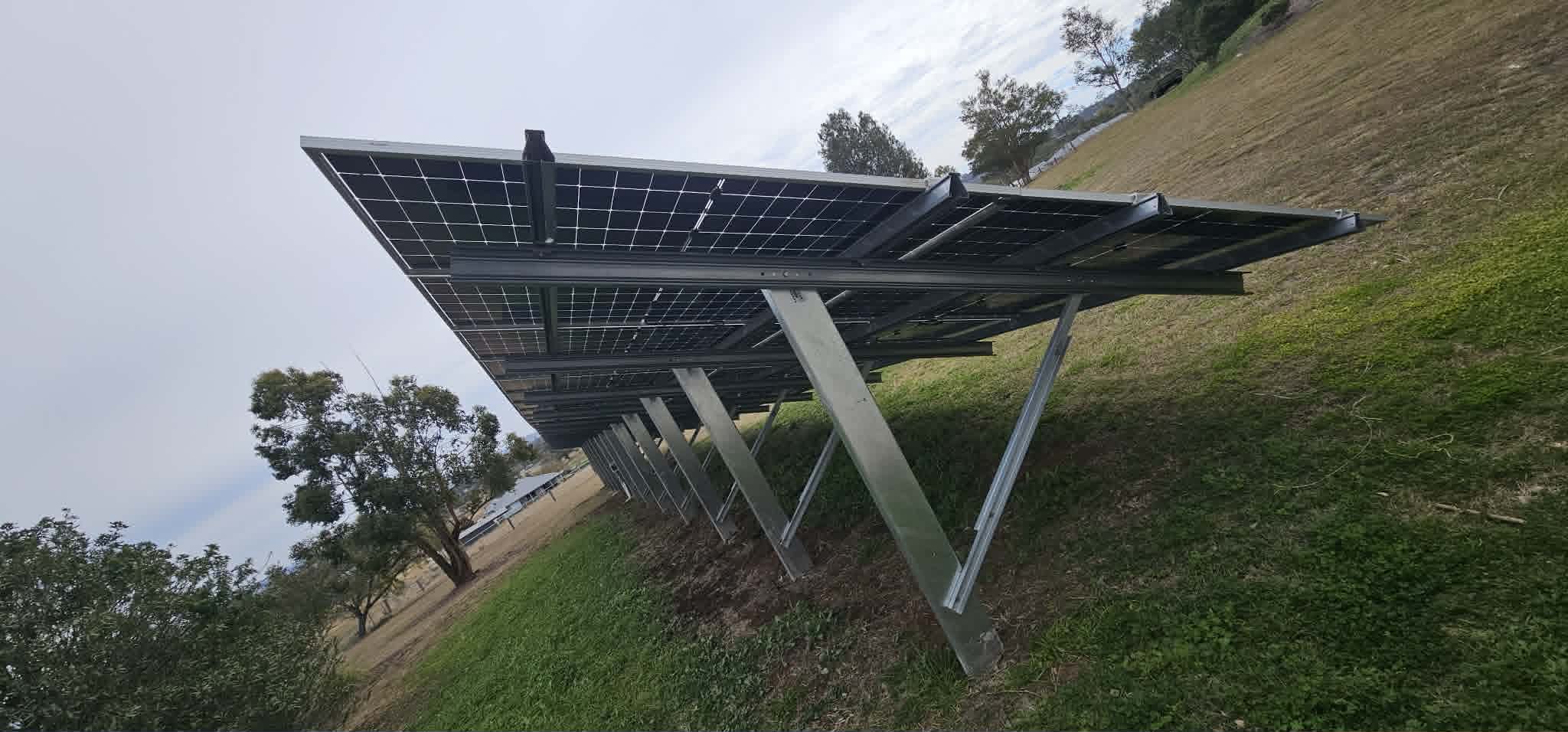
An off-grid system (also known as a stand-alone power system or SAPS) has no physical connection to the electricity grid. It consists of a large solar array, an off-grid inverter charger, a high-capacity lithium iron phosphate (LiFePO4) battery bank, and usually an auto-start diesel generator integrated as a permanent backup reserve.
- Best suited for: Properties where mains power does not exist, rural acreage where new grid extension costs are prohibitive, island properties, and landholders on long SWER lines who are tired of paying high fixed supply charges for unreliable power.
- What it eliminates: 100% of your power bill. No daily supply fees, no network tariffs, no meter reading charges, and zero vulnerability to distributor outages.
- Engineering discipline: Because there is no external network to cover unexpected demand, sizing must be precise. Daily consumption, motor start surges, and seasonal winter sunlight must all be accurately modeled.
How to Decide Which System Suits Your Property
Work through these three questions to identify the right system for your circumstances:
- Is mains electricity already connected to the site? If no mains connection exists, obtaining a quote from Energex or Ergon for poles, transformers, and trenching is your first step. If the network quote exceeds $25,000 to $30,000, going off-grid is almost always the more economical choice.
- What are you paying annually just to stay connected? Look at your quarterly power bills and isolate the daily supply charge and network tariffs. If you are paying $2,000 to $4,000 every year just for the privilege of having a wire to your property, converting to off-grid solar can pay for itself in fixed savings alone.
- How critical is blackout protection? If you run medical refrigeration, farm cold rooms, or electric water pumps for livestock and suffer frequent outages, a hybrid battery system or full off-grid micro-grid provides immediate operational security.
Comparison Summary Matrix
| Feature | Grid-Connected | Hybrid Solar | Full Off-Grid |
|---|---|---|---|
| Grid Connection | Required | Required | None (Disconnected) |
| Powers Home in Blackout? | No (Auto shutoff) | Yes (Instant backup) | Yes (Always self-powered) |
| Eliminates Supply Charge? | No | No | Yes (100% removed) |
| Battery Storage Included | None | Typically 10 to 30 kWh | Typically 20 to 60+ kWh |
| Generator Integration | Not applicable | Optional manual transfer | Standard auto-start |
Learn more about sizing your setup in our guide on How to Size an Off-Grid Solar System, or explore federal discount incentives in The Federal Battery Rebate in Queensland.
Boden Snell
QLD Licence 1503588Founder & Licensed Electrical Contractor
Boden has worked in the electrical trade for sixteen years, specialising in off-grid solar, battery storage, and stand-alone power systems for farms, commercial facilities, and island properties across Queensland.