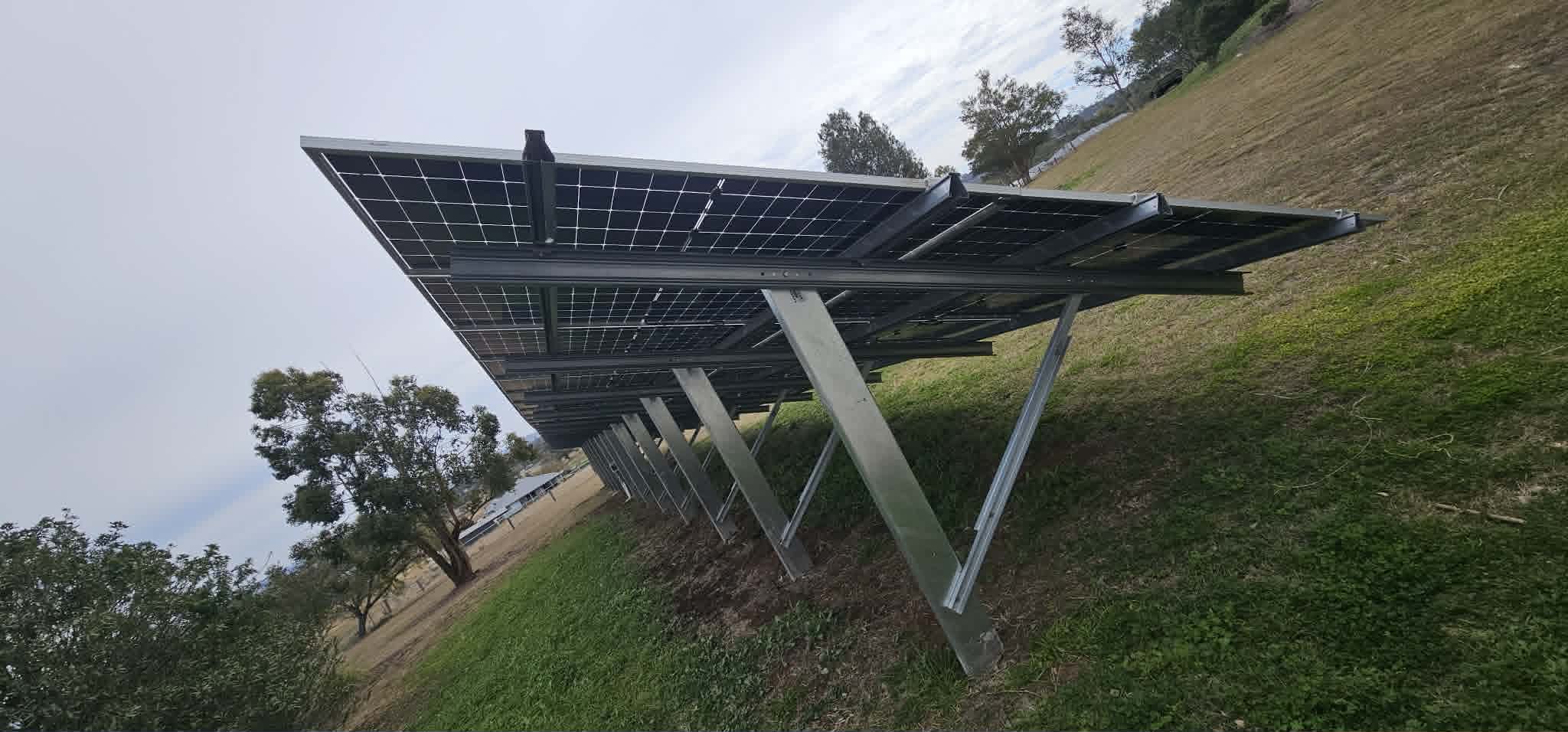
The Scale of Queensland's SWER Network
Single Wire Earth Return (SWER) was regional Australia's engineering solution to an enormous geographic challenge. By running a single high-voltage wire and using the earth itself as the conductive return path, state electricity authorities were able to connect isolated cattle stations, wheat farms, and outback homesteads where traditional three-phase poles and wires were financially impossible.
According to published distributor data, Ergon Energy operates approximately 65,000 kilometres of SWER line across regional Queensland. That single system makes up roughly 40% of Ergon's total distribution network, yet it supplies only about 4% of the network's total customers.
The majority of this infrastructure was installed during the 1970s and 1980s. Today, that vast network is reaching the end of its design lifespan. Every kilometre of line through timbered gullies and scrub must be inspected by ground crews, vegetation-cleared, protected from bushfires, and progressively rebuilt.
Why Stand-Alone Power Is Replacing Long Lines
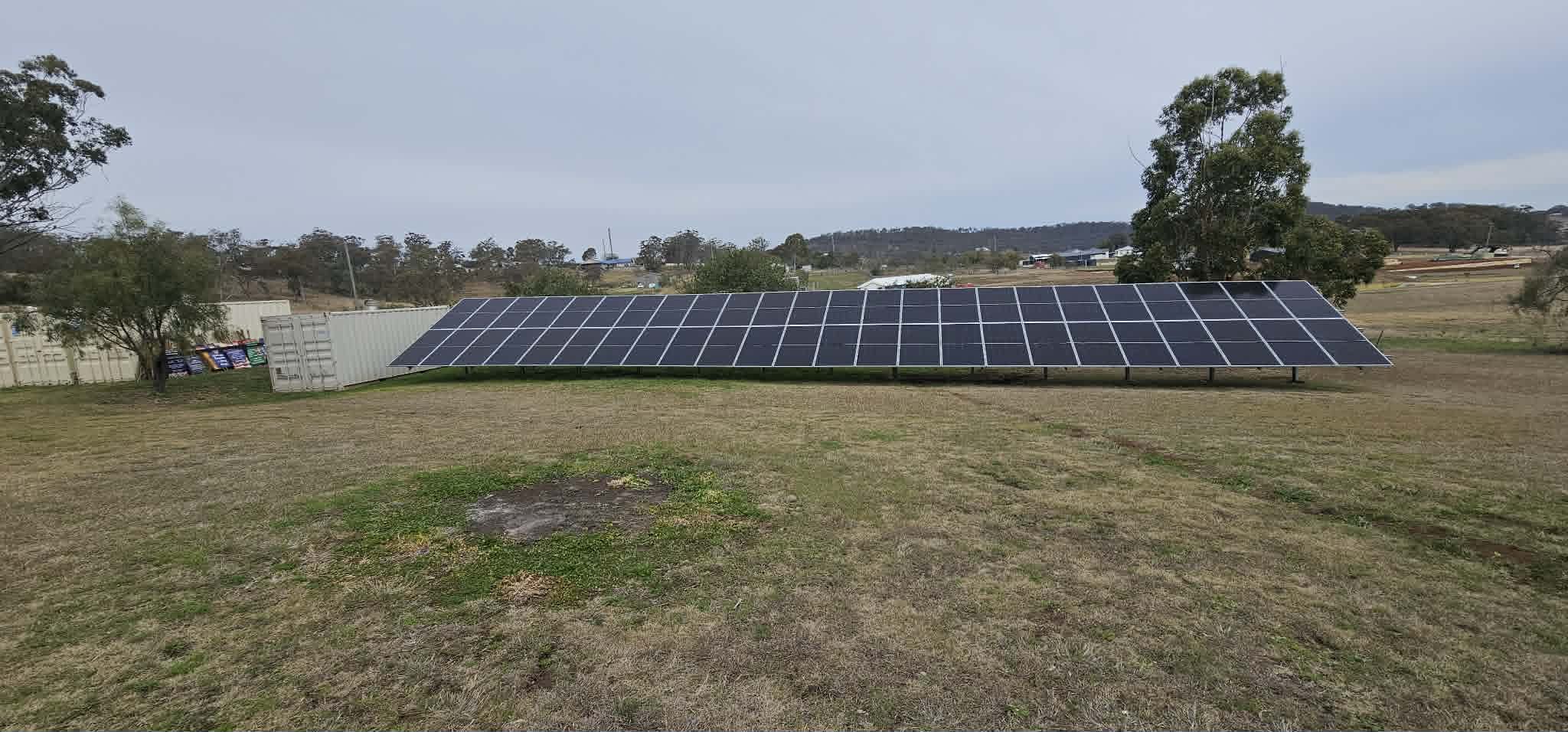
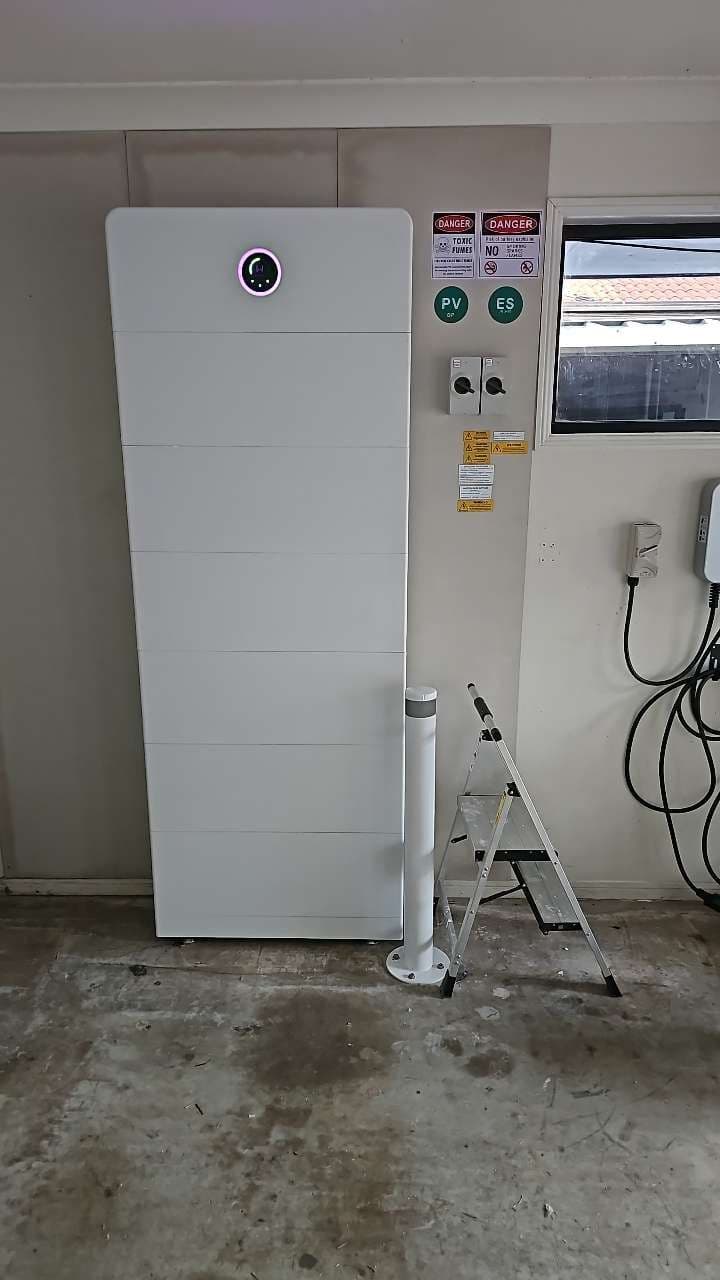
Ergon Energy has been installing network-owned stand-alone power systems at some fringe-of-grid sites instead of rebuilding long lines. When power is generated on site using solar, battery storage, and automated generator backup, deteriorating overhead lines can be decommissioned completely.
The logic behind this transition is straightforward: on remote spurs serving only one or two properties, the cost of rebuilding and maintaining five or ten kilometres of overhead line across rugged terrain far exceeds the cost of installing a dedicated stand-alone power system at the homestead.
Removing ageing lines reduces bushfire ignition hazards, eliminates tree-trimming costs, and prevents the need for utility vehicles to traverse private paddocks and creek crossings during wet weather.
What This Means for Remote Landholders
For properties situated along SWER lines in regions like Toowoomba and the Darling Downs or Central Queensland, this shift highlights two critical facts:
- Fixed charges dominate your power bill: If your property sits at the end of a long rural line, your bill reflects the enormous cost of maintaining those wires. Reducing your kilowatt-hour consumption through energy efficiency leaves those high fixed network fees completely untouched.
- The timing of line quotes is critical: When Ergon or your private contractor issues a quote to replace private power poles, rebuild a spur, or upgrade an overloaded transformer, that is the exact moment to evaluate off-grid solar. The cost of a private line rebuild plus twenty years of ongoing network charges frequently exceeds the price of an independent solar and battery system.
Practical recommendation: If your electricity distributor quotes you tens of thousands of dollars to extend or replace private poles on your property, keep that written quote. It serves as an exact financial benchmark when evaluating a stand-alone power system.
Network SAPS vs Private Off-Grid: The Differences
It is important to understand the practical distinction between a network-supported SAPS and a private off-grid installation:
- Network-Supported SAPS: Owned, installed, and monitored by the distributor. You remain an active customer, continue paying quarterly electricity tariffs and daily service charges, and do not own the physical equipment on your land.
- Privately Owned Off-Grid Solar: You fund and own the solar array, inverters, and battery bank outright. You permanently disconnect from the grid, which eliminates 100% of your power bills and fixed charges.
Under the federal Cheaper Home Batteries Program, private off-grid battery systems paired with solar are eligible for significant upfront point-of-sale discounts. Clean Energy Regulator rules state that off-grid systems located more than 1 kilometre from the grid do not require virtual power plant (VPP) connectivity to qualify for the discount.
Practical Steps If Your Property Is on a SWER Line
If your rural property is connected via a SWER line and you want to assess your power options, follow this process:
- Analyse twelve months of bills: Separate your total charges into actual energy usage versus fixed daily supply fees and network tariffs. On regional lines, fixed fees often account for a surprisingly large portion of annual expenditure.
- Calculate the cost of outages: Estimate the real financial cost of lost refrigeration, disrupted water pumping for livestock, and halted farm machinery caused by rural line dropouts.
- Measure actual motor starting surges: Before quoting an alternative power system, have a licensed electrician log your actual electrical loads and starting currents on pumps and compressors.
- Compare full twenty-year costs: Compare the capital investment of an off-grid system against twenty years of projected retail power bills, supply fee escalations, and pole maintenance.
For more information on planning a farm system, read What Does It Actually Cost to Take a Queensland Farm Off-Grid?, or explore our grid to off-grid conversion service.
Boden Snell
QLD Licence 1503588Founder & Licensed Electrical Contractor
Boden has worked in the electrical trade for sixteen years, specialising in off-grid solar, battery storage, and stand-alone power systems for farms, commercial facilities, and island properties across Queensland.