Direct Solar Pumping vs Battery-Backed Systems
Reliable water supply is the lifeblood of every rural Queensland property. Whether you are running beef cattle in the Maranoa, managing cropping across the Darling Downs, or irrigating horticulture in the Lockyer Valley, keeping stock troughs full and crops hydrated without paying crippling diesel or SWER network tariffs is a top operational priority.
When transitioning bore pumps to solar, the first engineering decision is choosing between a direct solar pumping configuration and a battery-backed off-grid system:
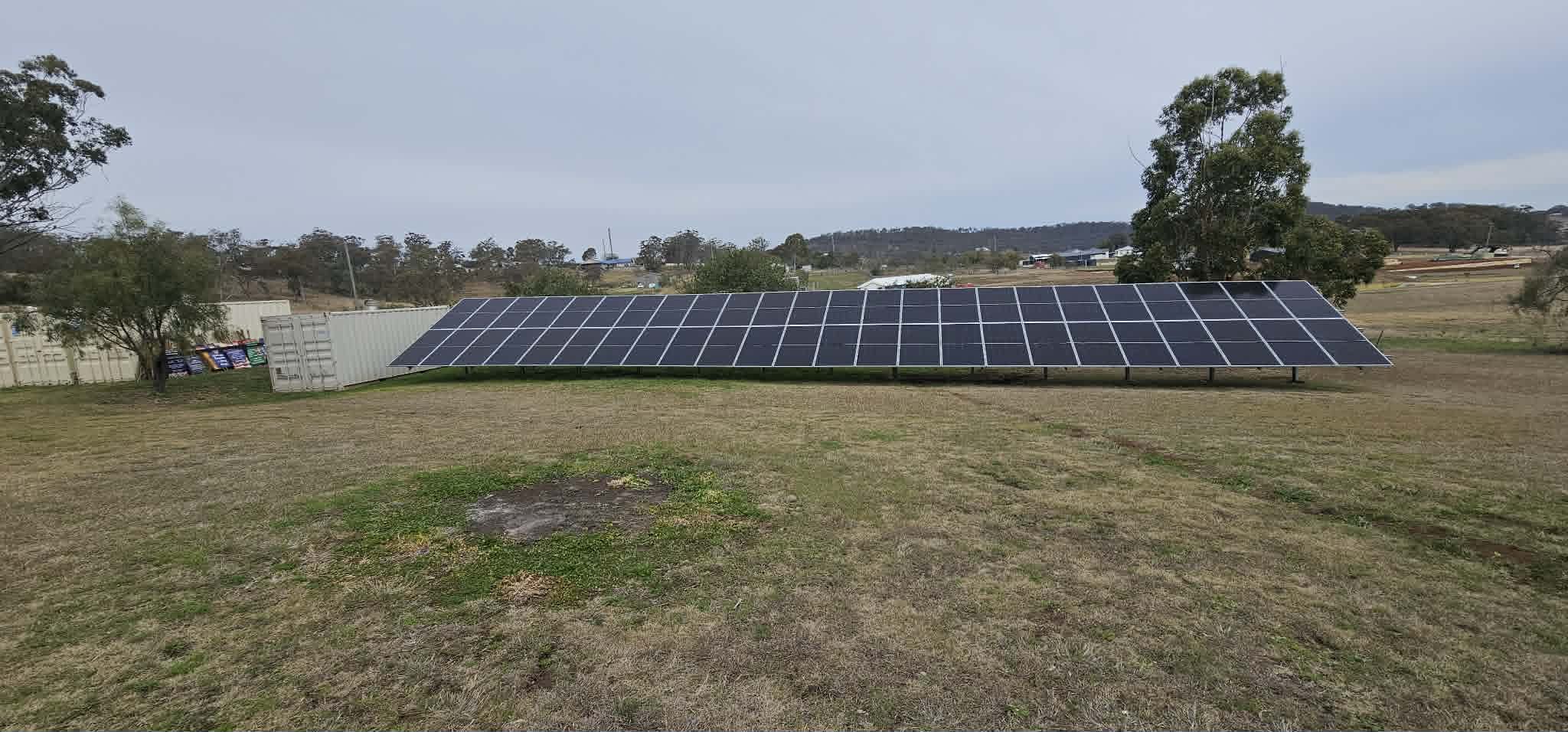
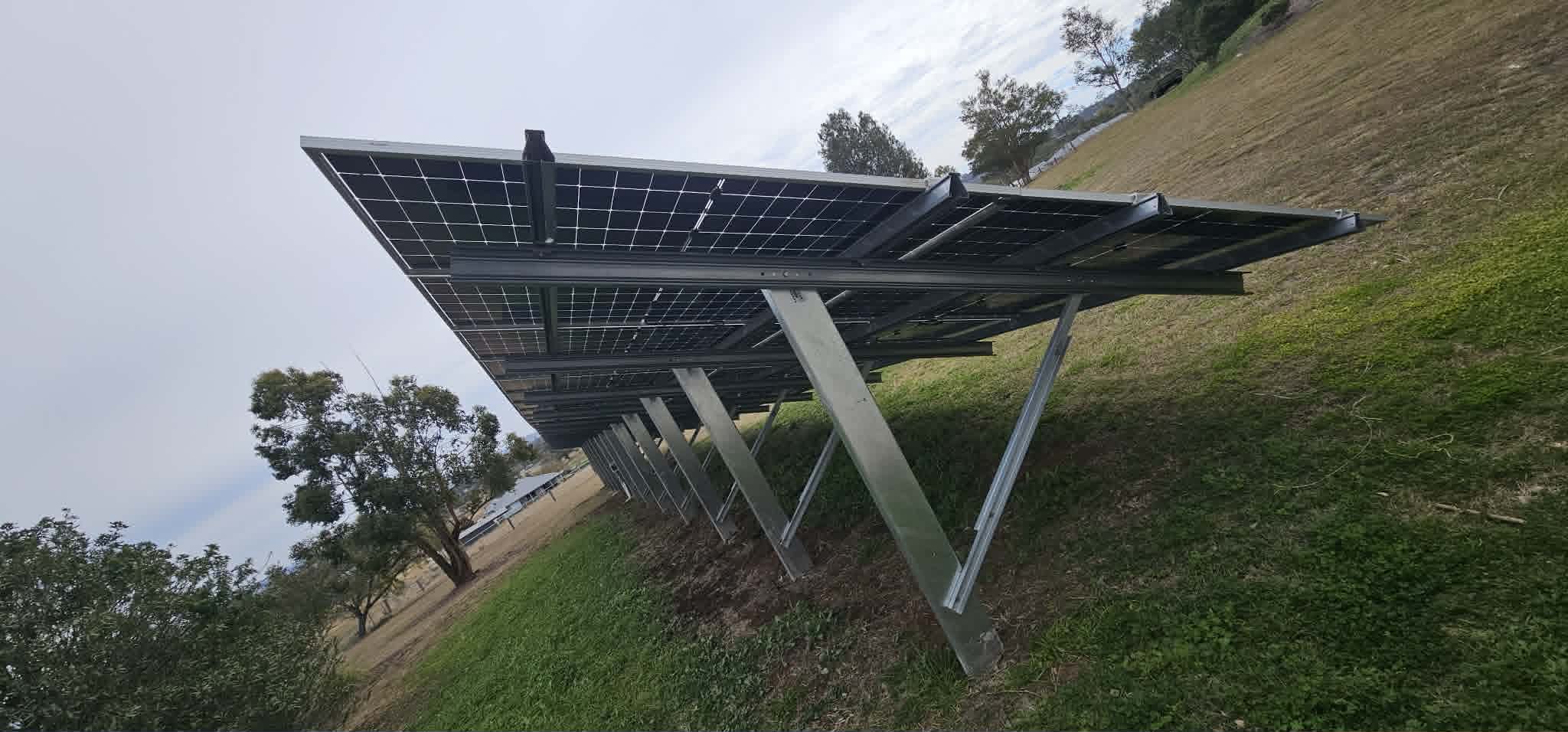
- Direct Solar Pumping (DC or Variable Frequency AC): Solar panels connect directly to a specialised solar pump controller featuring Maximum Power Point Tracking (MPPT). The controller modulates the pump speed throughout the day based on available sunlight. When the sun rises, the pump starts gently; at midday, it operates at full flow rate; as late afternoon approaches, it throttles down and stops. Because there are no chemical batteries in the circuit, maintenance is minimal and efficiency is fifteen to twenty-five percent higher than an inverter-converted setup.
- Battery-Backed Off-Grid Systems: The solar array charges a central lithium battery bank through charge controllers, and an inverter delivers continuous 230-volt single-phase or 415-volt three-phase power to standard switchgear. This setup is mandatory when you require on-demand pressure boosting, automated night-time irrigation to reduce evaporative losses, or when running high-volume transfer pumps that exceed fifteen kilowatts.
Using Water Storage as Your Battery
In rural electrical design, water is the cheapest battery you will ever buy. Storing ten kilowatt-hours of electrical energy in a lithium iron phosphate battery costs thousands of dollars. Storing twenty thousand litres of pumped water in an elevated corrugated iron or poly tank costs a tiny fraction of that figure and lasts for decades without cell degradation.
The most reliable pastoral water setups use solar generation to lift water from deep aquifers into elevated header tanks or turkey nest dams during peak daylight hours between 9:00 AM and 3:00 PM.
From the header tank, water gravitates continuously through poly pipeline networks to paddock troughs, homestead gardens, and livestock holding yards twenty-four hours a day. Gravity never suffers a power outage, requires no circuit breaker, and delivers dependable water pressure through torrential storms and cloudy weeks alike.
Motor Inrush Surges and VSD Motor Control
The single biggest technical hurdle when operating deep-well submersible pumps on solar power is motor starting current. Most older farm pumps are three-phase induction motors controlled by basic Direct-On-Line (DOL) contactors.
When an induction motor starts DOL, it behaves momentarily like a short circuit. It draws an inrush current between five and eight times its full load running current for several seconds until the rotor accelerates to operational speed.
If you have a 5.5kW (7.5 hp) submersible pump drawing 11 amps under full load, starting that motor across the line can pull a surge of 60 to 80 amps. On a stand-alone inverter or compact generator, that momentary spike creates a severe voltage sag that trips overcurrent protection relays instantly.
The trade solution: Variable Speed Drives (VSDs). Installing a dedicated solar VSD controller solves motor starting challenges. The VSD starts the motor at zero hertz and slowly ramps frequency and voltage up over five to ten seconds. This limits starting inrush to approximately 1.5 times full load current, allowing you to operate heavy industrial pumps on moderately sized solar arrays without nuisance tripping.
Long Cable Runs, Trenching, and Voltage Drop
On extensive grazing properties, the optimal solar generation location is rarely located right next to the bore casing. Solar panels require full northern sun exposure away from river red gums and scrub lines, while the bore sits where hydrologists found water in a gully or creek flat.
Separations of two hundred, five hundred, or even eight hundred metres between the solar array and the bore head are common across regional Queensland. Running electrical cabling over these distances introduces the critical risk of voltage drop.
Under Australian Standard AS/NZS 3000 (Wiring Rules), voltage drop across an electrical installation must be controlled to prevent overheating motor windings, premature insulation breakdown, and voltage collapse at the pump terminals. For long agricultural runs:
- Conductor Sizing: Standard 2.5mm² or 4mm² domestic cables are completely inadequate over hundreds of metres. Long rural runs require heavy 16mm², 25mm², or larger cross-linked polyethylene (XLPE) aluminium or heavy copper conductors calculated specifically for the total circuit loop impedance.
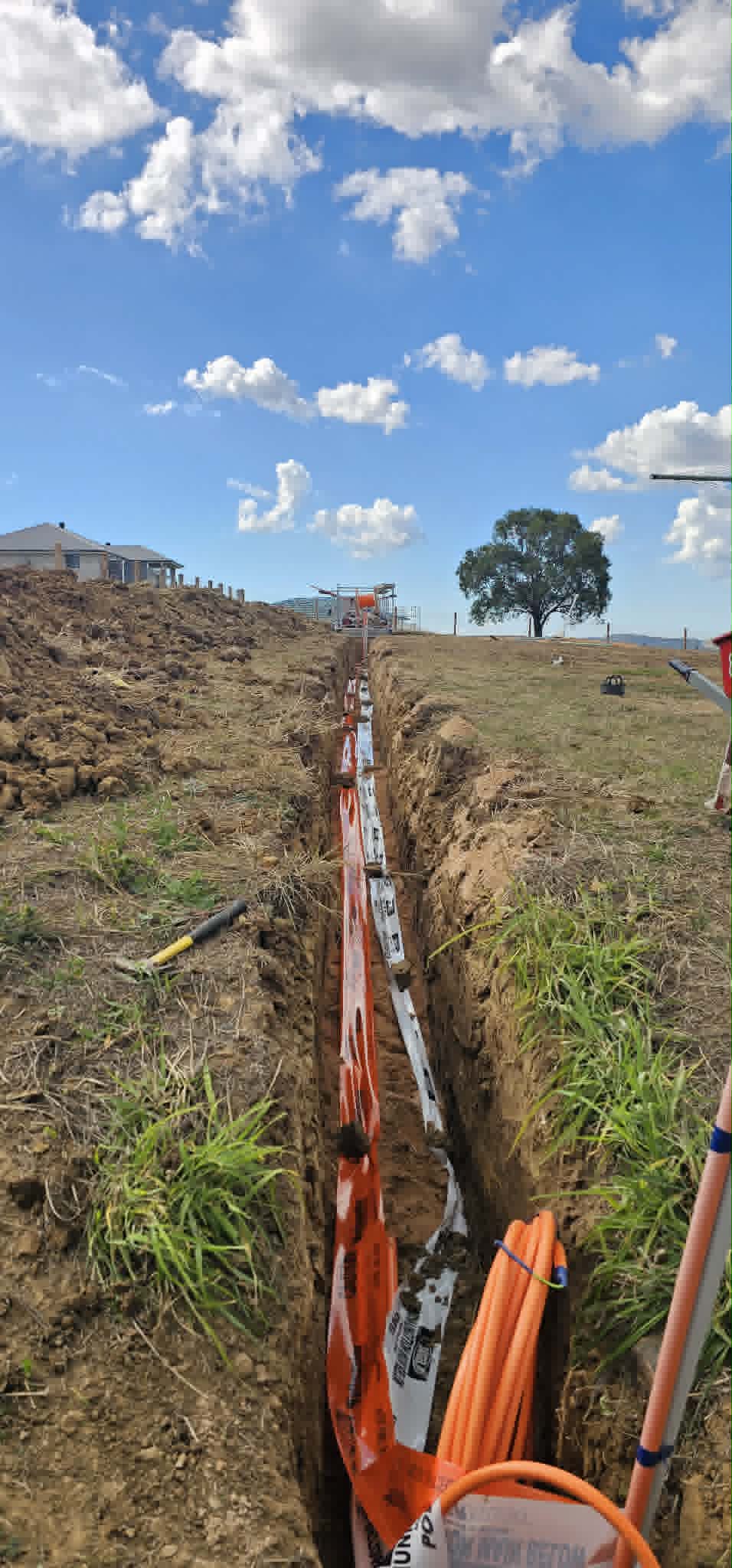
- Trenching Depth and Mechanical Protection: Underground cables running across paddocks must be buried to a minimum depth of 600mm below ground level with heavy-duty orange warning tape laid 300mm above the conduit. In black-soil or reactive clay country subject to deep ground fissures during droughts, cables must be bedded in screened sand to prevent soil movement from shearing conduits.
- Bore Casing Transitions: Where cables enter the bore head, UV-stabilised flexible conduits and machined brass cable glands prevent moisture ingress, vermin nesting, and mechanical abrasion against steel casing edges.
Bore Protection, Dry-Run Probes, and Float Switches
An unattended solar pump running in a remote paddock requires automated monitoring to protect expensive submersible hardware from catastrophic damage.
Every professional solar bore installation includes three layers of automated control:
- Dry-Run Protection Probes: During prolonged dry spells, aquifer recovery rates can slow down. If a submersible pump draws the water level down below its suction screen, the pump begins sucking air. Running a submersible pump dry destroys water-lubricated bearings and melts plastic impellers within minutes. Low-water well probes suspended just above the pump intake detect falling water levels and signal the controller to shut down immediately, waiting for aquifer recharge before restarting.
- Tank Full Float Switches: When poly storage tanks or turkey nests reach top capacity, a heavy-duty mechanical float switch or pressure transducer signals the solar controller to pause pumping. This prevents water wastage and paddock erosion.
- Surge and Lightning Protection: Remote solar arrays and steel bore casings act as natural lightning rods during Queensland summer storms. Fitting Type 1 and Type 2 surge protection devices (SPDs) and deep-driven copper earth stakes protects sensitive solid-state controller electronics from high-voltage atmospheric spikes.
Financing Options and QRIDA Concessional Loans
Upgrading bore pumping infrastructure to solar represents a significant capital investment, but primary producers in Queensland have access to established financing channels.
It is important to clarify current government assistance programs. There is currently no active statewide program offering free cash grants for solar bore pumps. However, primary producers can take advantage of practical financing and rebate mechanisms:
- QRIDA Sustainability Loans: The Queensland Rural and Industry Development Authority (QRIDA) administers concessional Sustainability Loans of up to $1.3 million for eligible primary producers. These low-interest loans specifically cover on-farm infrastructure improvements, including solar energy systems, water reticulation, pumping equipment, and drought preparedness infrastructure.
- Federal Cheaper Home Batteries Program: If your bore pumping setup is integrated into a wider farm off-grid or hybrid power system that includes battery storage, you can claim upfront Small-scale Technology Certificate (STC) discounts on the battery bank, significantly reducing overall project capital.
- Operational Fuel Savings: Replacing a remote diesel generator pump that consumes fifteen litres of fuel a day eliminates thousands of dollars in annual diesel bills, eliminates weekly fuel cartage runs, and ends routine oil and filter servicing.
At Handy Hands Electrical, our licensed trade contractors design, trench, wire, and commission reliable solar bore pumps and agricultural power systems across South East and regional Queensland. Every installation is built to strict Australian safety standards and backed by our official Certificate of Testing and Compliance.
Contact our team today to discuss your bore location, water yield targets, and solar pumping options with an experienced rural electrician.
Boden Snell
QLD Licence 1503588Founder & Licensed Electrical Contractor
Boden has worked in the electrical trade for sixteen years, specialising in off-grid solar, battery storage, and stand-alone power systems for farms, commercial facilities, and island properties across Queensland.
References & Regulatory Sources
- Queensland Rural and Industry Development Authority (QRIDA): Sustainability Loan
- Standards Australia: AS/NZS 3000 Electrical Installations (Wiring Rules)
- WorkSafe Queensland: Rural Electrical Safety Guidelines
- Department of Climate Change, Energy, the Environment and Water: Small-scale Renewable Energy Scheme